 WATER HEATERS
 Rinnai Water Heaters (Internal & External Installation)
 Caravan Water Heaters
 Commercial Continuous Flow Gas Water Heaters
 Domestic Tankless Multipoint Gas Water Heaters
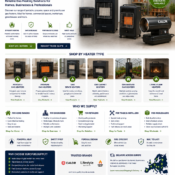 Gas Heaters Europe
 Calor Gas Heaters
 Gas Space Heaters
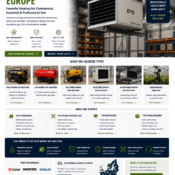 Warm Air Heaters Europe
 Gas Warm Air Heaters
 Electric Warm Air Heaters
 Boilers Europe
 ATAG Boilers Europe
 Combi Boilers Europe
 System Boilers Europe
 Hot Water Cylinders Europe
 Thermal Store Hot Water Cylinders
 Unvented Hot Water Cylinders
 Vented Hot Water Cylinders
 Commercial Hot Water Cylinders
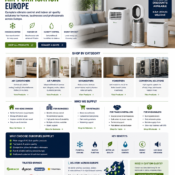 Air Conditioning & Air Purification
 Daikin Air Conditioning Europe
 Dehumidifiers Europe
 Humidifiers Europe
 Air purifiers Europe
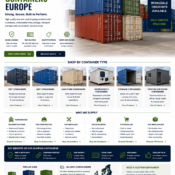 Shipping Containers Europe
 High Cube Containers
 Standard Containers (20ft, 40ft)
 Modified / Custom Containers
 Refrigerated Containers
 Storage Containers
 Renewable Energy Europe
 HOME HEATING OIL TANKS
 Bunded Oil Tanks
 AdBlue tanks Europe
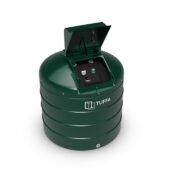 Fire-protected oil tanks Europe
 Fuel Bank Or Fuel Station Oil Tanks
 Single Skinned oil Tanks
 Secure Storage Europe
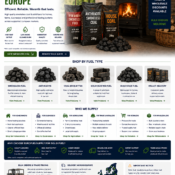 Smokeless Coal Europe
 Firewood Europe
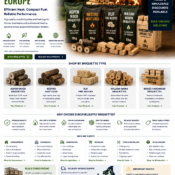 Briquettes & Heat Logs
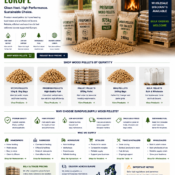 WOOD PELLETS

Water Heater Buying Guide
Choosing the right water heater is essential for reliable hot water, energy efficiency and long-term operating costs. Whether you are upgrading a domestic hot-water system, fitting out a rental property or sourcing equipment for a hotel, restaurant or commercial building, the best option depends on your hot-water demand, available energy sources, installation space and budget.
This water heater buying guide explains the main types of water heaters available, how to compare their features and what to consider before purchasing. It is designed to help homeowners, landlords, installers, property developers and commercial buyers make informed decisions when sourcing water heating equipment in Europe.
At EuroFuelSupply, buyers can explore heating equipment and enquire about suitable products for residential and commercial requirements.
Why Choosing the Right Water Heater Matters: Water Heater Buying Guide
A water heater must provide enough hot water for the people and activities it serves without unnecessary energy consumption or excessive installation costs.
A system that is too small may struggle during busy periods, while an oversized unit may cost more than necessary. The right choice balances capacity, performance, energy efficiency, installation requirements and maintenance.
Before comparing models, consider:
- Hot-water demand: How many people or outlets need hot water?
- Energy source: Is electricity, natural gas, LPG or another suitable energy source available?
- Installation space: Can the property accommodate a storage cylinder, wall-mounted unit or external appliance?
- Running costs: What are the local energy tariffs and expected usage patterns?
- Installation requirements: Will plumbing, electrical work, ventilation or flue modifications be necessary?
- Future needs: Could occupancy or business demand increase?
Considering these factors first makes it easier to narrow down the available options.
Types of Water Heaters: Which System Is Best? Water Heater Buying Guide
Different water heaters suit different properties and usage patterns. The main options include electric water heaters, gas water heaters, instantaneous systems, storage cylinders and heat pump water heaters.
1. Electric Water Heaters
Electric water heaters use electrical resistance elements to heat water. They are available as compact point-of-use units and larger storage models.
Advantages
- Suitable for properties without a gas connection.
- Available in a wide range of capacities.
- Can be practical for apartments, smaller properties and individual outlets.
- Installation may be straightforward where suitable electrical and plumbing connections already exist.
Considerations
Electric resistance heating can have relatively high running costs where electricity prices are high. Buyers should check the unit’s power rating, circuit requirements, insulation and expected daily consumption.
An electric water heater may be suitable for a flat, guest accommodation, office or property where gas is unavailable. Larger properties may need a higher-capacity unit or multiple heating zones.
2. Gas Water Heaters
Gas water heaters use natural gas or LPG to heat water. Depending on the model, they may supply hot water continuously or heat water stored in a cylinder.
Advantages
- Can provide a strong hot-water output when correctly sized.
- Some instantaneous models avoid the need for a large storage tank.
- May offer competitive operating costs depending on local gas and electricity prices.
- Suitable models are available for domestic and commercial applications.
Considerations
Buyers must confirm the correct gas type, required gas supply, appliance location, ventilation, flue arrangements and local installation regulations. Natural-gas and LPG models are not automatically interchangeable.
A qualified installer should verify that the selected unit can deliver the required flow rate at the expected temperature rise.
3. Instantaneous and Tankless Water Heaters
Instantaneous water heaters heat water as it flows through the appliance rather than keeping a large volume hot in a storage tank.
These systems can be useful where space is limited or hot-water demand occurs throughout the day.
Benefits include:
- No large storage cylinder required.
- Hot water is heated when needed.
- Compact models may fit smaller utility spaces.
- Suitable options exist for homes and selected commercial applications.
However, instantaneous units have limits. Their output depends on the appliance’s heating capacity, incoming water temperature and required flow rate. Multiple showers or outlets operating simultaneously may exceed the available capacity of a single unit.
When comparing products, check the rated flow rate at the specified temperature rise rather than relying on a headline kilowatt figure alone.
4. Storage Water Heaters and Hot-Water Cylinders
Storage water heaters heat a volume of water and retain it in an insulated tank or cylinder until it is needed.
They can be a practical choice for homes with several bathrooms, properties with concentrated morning and evening demand, and buildings that need a reserve of hot water.
Advantages
- A stored volume can supply several outlets over a short period.
- The system can suit predictable periods of high demand.
- Some models can integrate with boilers, solar thermal equipment or other compatible heat sources.
- A cylinder can be selected to match a property’s hot-water usage pattern.
Considerations
The cylinder must have sufficient usable capacity and recovery performance. A tank that is too small may run out of hot water, while an oversized cylinder can occupy unnecessary space and increase standing heat losses.
Also check cylinder insulation, operating pressure, heat-exchanger arrangements, corrosion protection and compatibility with the existing heating system.
5. Heat Pump Water Heaters
Heat pump water heaters use electricity to move heat from the surrounding air or another suitable source into the water. Because they transfer heat rather than relying solely on electrical resistance, they can deliver more heat energy than the electricity they consume under suitable operating conditions.
Potential advantages
- Lower electricity consumption than conventional resistance heating under suitable conditions.
- Can support a property’s energy-efficiency objectives.
- May be attractive for homes and buildings with suitable installation space and operating conditions.
Considerations
Heat pump water heaters often have higher initial costs and specific requirements for air circulation, ambient temperature, noise management, drainage and installation space. Performance varies with the environment and operating conditions.
Before purchasing, review the manufacturer’s performance data, hot-water recovery time, sound levels and any requirements for ducting or a dedicated room.
Water Heater vs Boiler: What Is the Difference?
A water heater primarily produces domestic hot water for uses such as showers, baths, kitchen sinks and washbasins. A boiler is generally designed to supply heat to a central heating system and may also provide domestic hot water.
Some boilers heat water on demand, while others work with a separate hot-water cylinder. The correct arrangement depends on the property’s heating design, number of occupants and simultaneous hot-water requirements.
If you are comparing equipment for a complete heating upgrade, browse the EuroFuelSupply boilers category and consider how the boiler and hot-water system will work together.
How to Choose the Right Water Heater Capacity
Capacity is one of the most important factors when selecting a water heater. The correct size depends on the number of users, the number of outlets, usage patterns and how quickly the system can heat or recover hot water.
For a small home or apartment
A compact electric or instantaneous water heater may be sufficient where demand is limited. However, households with several occupants or multiple bathrooms may need a larger storage system or a higher-output appliance.
For a family home
Consider the number of bathrooms, whether showers are used simultaneously, bath-filling requirements and the time between periods of peak demand. A storage cylinder may suit properties with concentrated demand, while a correctly sized instantaneous system may suit other layouts.
For hotels, restaurants and commercial buildings
Commercial systems should be sized around expected peak demand, outlet flow rates, occupancy, operating hours and recovery requirements. A hotel with several showers operating simultaneously has very different requirements from a small office.
Commercial buyers should also consider redundancy, service access, maintenance schedules and whether multiple appliances or a central hot-water plant would be more appropriate.
Practical tip: Do not select a water heater based on household size alone. Ask a qualified installer or system designer to assess peak demand and the required hot-water temperature rise.
Energy Efficiency and Running Costs
The purchase price is only one part of the cost of owning a water heater. Energy consumption, maintenance, installation and expected service life all affect the overall value of the system.
Compare the following before making a decision:
- Energy source and tariff: Compare the local cost of electricity, natural gas or LPG.
- Efficiency information: Review the manufacturer’s technical documentation and applicable energy labels.
- Storage losses: For cylinder systems, check insulation quality and standing heat losses.
- Heating capacity: Confirm that the system can meet demand without excessive recovery times.
- Controls: Timers, thermostats and suitable operating modes may help manage consumption.
- Maintenance: Check servicing intervals, replacement components and local technical support.
- Installation quality: Incorrect sizing or installation can reduce performance and create safety risks.
There is no single water heater that is cheapest to operate in every European country. Energy prices, incoming water temperature, usage habits, installation conditions and local regulations can all influence the result.
Installation Requirements and Safety
A suitable water heater must meet the technical requirements of the building as well as the user’s hot-water needs.
Before ordering, confirm the following:
- Available space: Check the appliance dimensions, access clearances and service access.
- Connections: Confirm water inlet and outlet sizes, pressure requirements and the position of existing pipework.
- Electrical supply: Verify voltage, circuit capacity, protective devices and installation requirements.
- Gas compatibility: For gas appliances, confirm the specified gas type, supply pressure, ventilation and flue arrangements.
- Water pressure: Ensure the system is compatible with the property’s incoming pressure and intended outlets.
- Temperature control: Check that appropriate temperature regulation and scald protection are provided where required.
- Local compliance: Confirm applicable national building, plumbing, gas and electrical requirements.
Gas appliances should be installed and commissioned by appropriately qualified professionals. Electrical connections and safety devices must also comply with applicable local requirements.
The installer should confirm whether pressure-relief equipment, expansion control, backflow prevention or other safety components are required for the selected system.
Common Water Heater Buying Mistakes
Avoid these mistakes when comparing products.
Choosing the cheapest unit without checking performance
A low purchase price may not represent the best long-term value. Compare efficiency, output, installation costs, maintenance requirements and warranty conditions.
Underestimating peak demand
A unit that performs well for one shower may not supply several showers and sinks simultaneously. Match the system to actual demand.
Confusing power with storage capacity
A kilowatt rating indicates heating power, not the volume of stored water. For storage systems, compare tank capacity and recovery performance. For instantaneous units, compare flow rate at the required temperature rise.
Ignoring the available energy supply
Not every property has a suitable gas connection or electrical supply for every appliance. Check infrastructure and installation costs before ordering.
Overlooking servicing and spare parts
For commercial premises, downtime can disrupt operations. Check maintenance requirements, service access, warranty conditions and the availability of appropriate support.
Failing to check delivery requirements
Water heaters and cylinders can be heavy, bulky or sensitive to handling. Confirm the delivery location, access arrangements, unloading requirements and any product-specific shipping restrictions before placing an order.
Buying Water Heaters for Commercial and Wholesale Projects
Installers, contractors, landlords, property developers and procurement teams may need several water heaters or a complete hot-water solution for a project.
When sourcing equipment in bulk, prepare a clear specification to help suppliers identify suitable products.
Include:
- Required quantity and intended application.
- Preferred energy source and fuel type.
- Required hot-water output or storage capacity.
- Number of outlets and expected peak demand.
- Available installation space and connection details.
- Delivery country, postcode and site-access requirements.
- Preferred brands, technical standards and project timetable.
EuroFuelSupply supports enquiries for heating equipment and wholesale energy products for European buyers. To discuss your requirements, visit the Wholesale Energy Products Europe page or submit your specifications through the Get a Quote page.
Product suitability, availability, pricing and delivery options should be confirmed for the particular model and destination.
Water Heater Options Available from EuroFuelSupply: Water Heater Buying Guide
When comparing water heating equipment, it helps to review the specifications of individual models rather than relying on product category names alone.
For example, EuroFuelSupply lists the following products:
- Rinnai N1600i 58 kW Internal Condensing Gas Water Heater — for buyers assessing an internal condensing gas water-heating system.
- Ferroli Pegaso Eco 11 LPG Gas Water Heater with Flue Kit — an LPG model to consider where the fuel supply and installation conditions are compatible.
- Rinnai N1300e 47 kW External Condensing Gas Water Heater — an external gas water-heating option for suitable installations.
These models have different specifications and installation requirements. Confirm fuel compatibility, flow performance, dimensions, applicable certifications and installation conditions before choosing a product.
For assistance with a residential, commercial or wholesale requirement, contact EuroFuelSupply through the contact page or request a quotation online.
Frequently Asked Questions About Water Heaters: Water Heater Buying Guide
What type of water heater is best for a home?
The best option depends on hot-water demand, energy prices, available utilities, installation space and budget. Electric systems can suit properties without gas, gas systems can provide high output where compatible supplies are available, and storage or heat pump systems may suit other usage patterns.
Is an instantaneous water heater better than a storage water heater?
Neither is universally better. Instantaneous models save storage space and heat water as required, but their flow rate is limited by heating capacity. Storage systems provide a reserve of hot water but require space and may lose heat while storing water.
What size water heater do I need for a family?
The correct size depends on the number of occupants, bathrooms, simultaneous use and expected hot-water demand. Review the manufacturer’s sizing guidance and ask a qualified installer to calculate the required capacity or flow rate.
Are heat pump water heaters more energy-efficient?
Heat pump water heaters can use substantially less electricity than conventional resistance water heaters under suitable conditions. Actual performance depends on ambient temperature, installation, usage and the specific model. Compare published performance data before buying.
Can a boiler provide domestic hot water?
Yes. Some boilers heat domestic hot water directly, while others work with a separate cylinder. The suitable arrangement depends on the boiler design, building layout and hot-water demand.
What should I check before buying a gas water heater?
Check the required fuel type, gas supply, rated output, flow rate, ventilation, flue requirements, water pressure and local installation regulations. Have the installation assessed by an appropriately qualified professional.
Can I buy water heaters in bulk for a commercial project?
Yes, you can enquire about water-heating equipment for commercial and wholesale requirements. Provide the quantity, technical specification, application and delivery destination so the supplier can assess suitable options. Availability and delivery arrangements must be confirmed for the requested products.
Does EuroFuelSupply deliver water heaters across Europe?
Delivery depends on the product, destination and applicable shipping requirements. Check the shipping and delivery information and request confirmation for your specific location before ordering.
Conclusion: Choose a Water Heater That Matches Your Needs
The right water heater should deliver reliable hot water while matching your property’s energy supply, usage pattern, installation conditions and budget. Electric, gas, instantaneous, storage and heat pump systems each have benefits and limitations, so comparing capacity, efficiency and total ownership costs is essential.
For homeowners, landlords, installers and commercial buyers, a clear specification is the best starting point for choosing suitable equipment.
Explore heating products from EuroFuelSupply, review the wholesale energy products range or request a quotation for your residential, commercial or bulk water-heating requirements.Water Heater Buying Guide.