

 WATER HEATERS
 Rinnai Water Heaters (Internal & External Installation)
 Caravan Water Heaters
 Commercial Continuous Flow Gas Water Heaters
 Domestic Tankless Multipoint Gas Water Heaters
 Gas Heaters Europe
 Calor Gas Heaters
 Gas Space Heaters
 Warm Air Heaters Europe
 Gas Warm Air Heaters
 Electric Warm Air Heaters
 Boilers Europe
 ATAG Boilers Europe
 Combi Boilers Europe
 System Boilers Europe
 Hot Water Cylinders Europe
 Thermal Store Hot Water Cylinders
 Unvented Hot Water Cylinders
 Vented Hot Water Cylinders
 Commercial Hot Water Cylinders
 Air Conditioning & Air Purification
 Daikin Air Conditioning Europe
 Dehumidifiers Europe
 Humidifiers Europe
 Air purifiers Europe
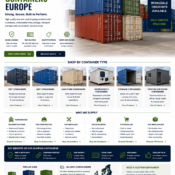 Shipping Containers Europe
 High Cube Containers
 Standard Containers (20ft, 40ft)
 Modified / Custom Containers
 Refrigerated Containers
 Storage Containers
 Renewable Energy Europe
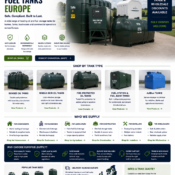 HOME HEATING OIL TANKS
 Bunded Oil Tanks
 AdBlue tanks Europe
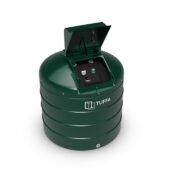 Fire-protected oil tanks Europe
 Fuel Bank Or Fuel Station Oil Tanks
 Single Skinned oil Tanks
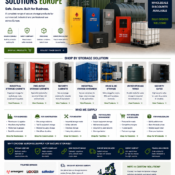 Secure Storage Europe
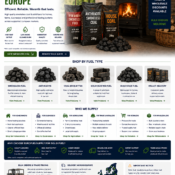 Smokeless Coal Europe
 Firewood Europe
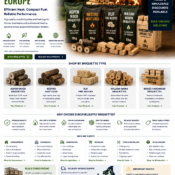 Briquettes & Heat Logs
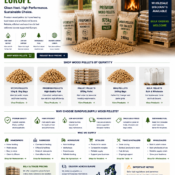 WOOD PELLETS

Heating Fuel Prices in Europe
Heating fuel prices in Europe affect household budgets, business operating costs and purchasing decisions for property owners, landlords, installers and commercial energy buyers. With several heating options available, choosing the right fuel involves more than comparing the price displayed by a supplier.
Wood pellets, firewood, briquettes, smokeless coal, natural gas, heating oil and electricity all have different pricing structures. The most economical option depends on local energy prices, heating equipment efficiency, fuel quality, delivery costs and the amount of heat a property or business requires.
This guide explains the main factors affecting heating fuel prices in Europe in 2026, how to compare different fuel types and what residential and wholesale buyers should consider before placing an order.
At EuroFuelSupply, customers can explore heating fuels and related equipment and enquire about supply options for their requirements.
What Determines Heating Fuel Prices in Europe?
There is no single heating fuel price for the whole of Europe. Prices vary between countries, regions and suppliers, and even between customers purchasing the same type of fuel.
Several factors influence the final cost.
1. Energy Market Conditions
Natural gas, heating oil and electricity prices are influenced by international energy markets, supply and demand, infrastructure, import dependence and government policy.
Changes in wholesale energy prices do not always appear immediately on household or business bills. Retail contracts, taxes, network charges and supplier pricing arrangements can affect how quickly costs change.
The European Commission publishes information on energy prices and costs across Europe, helping buyers understand the wider market context.
2. Seasonal Demand
Heating demand typically increases during colder months. Higher demand can influence availability, transport requirements and prices for certain fuels.
Buyers who depend on solid fuels may benefit from planning purchases before peak winter demand, provided they have appropriate dry storage and can purchase a suitable quantity.
However, buying early is not automatically cheaper. Compare current quotations, storage costs, expected consumption and the risk of purchasing more fuel than needed.
3. Fuel Quality and Specification
Not all fuels within the same category offer identical performance.
For example, wood pellets can differ in moisture content, ash content, dimensions and certification. Firewood can vary in species, moisture level and preparation. Briquettes differ in material, density and intended appliance.
A lower price per tonne may not represent better value if the fuel has lower usable energy content, creates more residue or is unsuitable for the heating appliance.
4. Transportation and Delivery
The delivered price can differ significantly from the price at the supplier’s premises.
Delivery costs may depend on distance, fuel quantity, packaging, vehicle requirements, access restrictions and unloading arrangements. These considerations are especially important for palletised fuel, bulk orders and commercial deliveries.
Always establish whether the quotation includes transport, unloading, applicable taxes and any additional charges.
5. Taxes and National Regulations
Taxes, levies, subsidies and fuel regulations vary across European countries. These differences affect the final price paid by households and businesses.
Some fuels may also be subject to restrictions or additional requirements depending on their use, local air-quality rules or the type of appliance installed.
Before choosing a fuel, check the regulations that apply in your country and municipality.
Heating Fuel Price Comparison: Which Fuels Should You Consider?
The following table provides a practical overview of common heating options. It is a comparison of purchasing considerations rather than a live price list because actual prices depend on the country, supplier, specification and delivery terms.
| Heating fuel | Main price considerations | Suitable applications |
|---|---|---|
| Wood pellets | Grade, packaging, bulk quantity, delivery and moisture content | Compatible pellet stoves and boilers |
| Firewood | Wood species, moisture, volume, packaging and delivery | Suitable wood-burning stoves and fireplaces |
| Wood briquettes | Material, density, pack size and energy content | Compatible stoves and solid-fuel appliances |
| Smokeless coal | Product grade, bag size, permitted use and delivery | Appliances approved for the selected fuel |
| Natural gas | Contract tariff, consumption, standing charges and taxes | Compatible gas boilers and heaters |
| Heating oil | Local supplier quotation, order volume, tank access and delivery | Compatible oil-fired heating systems |
| Electricity | Tariff, consumption, standing charges and equipment efficiency | Electric heaters, boilers and heat pumps |
To compare prices accurately, use the same country, currency, measurement unit, tax treatment and delivery basis wherever possible.
Wood Pellet Prices in Europe
Wood pellets are widely used for residential and commercial heating where compatible pellet stoves and boilers are installed. They are manufactured from compressed biomass and are commonly sold in bags, pallets or bulk quantities.
The final price depends on pellet quality, packaging, order size, local supply, transport distance and seasonal demand.
What affects wood pellet costs?
- Quality and certification: Specifications influence combustion performance and appliance suitability.
- Packaging: Individual bags, full pallets and bulk deliveries have different handling and transport costs.
- Order quantity: Larger orders may have different unit prices, although minimum quantities and delivery charges apply.
- Storage: Pellets need dry storage to prevent moisture damage.
- Delivery location: Remote properties or difficult access can increase the delivered cost.
Buyers should compare the price per tonne and the usable energy content of the fuel. Check whether the product meets the requirements of the installed appliance rather than selecting a pellet based on price alone.
Explore the EuroFuelSupply wood pellets category to review available options.
Firewood Prices in Europe
Firewood remains an option for homes and businesses with suitable wood-burning appliances. However, prices can vary considerably according to the wood species, moisture content, cut length, packaging and delivery method.
Seasoned hardwood and freshly cut wood should not be treated as equivalent products. Moisture affects combustion performance, so buyers should check how the fuel has been prepared and whether it meets the appliance manufacturer’s requirements.
When comparing firewood quotations, confirm whether the quantity is sold by weight, stacked volume or another measurement. These units are not directly interchangeable.
Also consider the space required to store the fuel properly and keep it dry.
EuroFuelSupply provides information on its firewood range.
Wood Briquette Prices in Europe
Wood briquettes are compressed fuel products made from biomass materials such as wood residues. Depending on the product, they may offer consistent shapes, convenient packaging and relatively compact storage.
Prices depend on the material used, product density, packaging, quantity and delivery location.
When comparing briquettes, consider:
- Price per kilogram or tonne.
- Energy content and moisture specification.
- Ash production and handling requirements.
- Pack size and pallet configuration.
- Compatibility with the intended stove or boiler.
- Delivered cost for the required quantity.
Briquettes should only be used in appliances approved for the particular fuel. Different briquette types can have different combustion characteristics.
Visit the EuroFuelSupply briquettes page to explore the product range.
Smokeless Coal Prices in Europe
Smokeless solid fuels may be considered where local regulations and the installed appliance permit their use. Products vary in composition, energy content, packaging and approved applications.
A responsible comparison should include the delivered price, fuel specification, expected consumption and any local restrictions on burning solid fuels.
Do not assume that a product described as smokeless is emission-free or permitted in every location. Check the applicable national and local rules, particularly in smoke-control areas.
Natural Gas and Heating Oil Costs
Natural gas and heating oil are important options for many properties with existing gas or oil-fired heating systems.
However, comparing their prices with solid fuels requires more than comparing the cost per kilowatt-hour of energy purchased.
Natural gas
Gas bills may include the unit tariff, standing charges, taxes and other applicable costs. Contract type, annual consumption and national pricing arrangements can influence the final bill.
The European Union’s official energy statistics provide country-level data on household and non-household gas prices. These figures can help buyers understand market differences, but an individual customer’s tariff may differ from the national average.
Heating oil
Heating oil prices can depend on international oil markets, local distribution, order quantity, tank access and delivery costs. Buyers should compare quotations for the same fuel specification and delivery conditions.
For either fuel, annual costs also depend on the building’s heat demand, the efficiency and condition of the heating system, and the way the system is operated.
Electricity Prices and Electric Heating
Electricity can be used directly for heating through resistance heaters and electric boilers, or indirectly through heat pumps.
The cost of electric heating depends on the electricity tariff and the amount of electricity required to provide the desired heat.
Resistance heaters convert electrical energy into heat at the point of use. Heat pumps operate differently by transferring heat from an external source, and under suitable conditions they can deliver more heat energy than the electricity they consume.
For that reason, a heat pump and a conventional electric resistance heater should not be assumed to have the same running costs.
When evaluating electric heating, consider the equipment’s performance, the property’s insulation, local tariffs, installation requirements and the expected seasonal heating demand.
How to Compare Heating Fuel Prices Fairly
One of the most common purchasing mistakes is comparing fuels using different units or ignoring differences in usable heat.
For example, a tonne of wood pellets, a cubic metre of firewood and a kilowatt-hour of electricity are different measurements. Their prices cannot be compared directly without accounting for energy content and equipment performance.
Use the following approach.
Step 1: Compare the Delivered Price
Calculate the total cost of purchasing and receiving the fuel.
Include the product price, transport, taxes, unloading and any other applicable charges. Divide the total by the quantity received to establish the delivered unit price.
Step 2: Check the Fuel’s Energy Content
Review the manufacturer’s or supplier’s stated energy content, using a consistent unit such as kWh per kilogram or kWh per tonne where reliable data are available.
For solid fuels, check whether the energy figure is stated on an as-received basis or a dry basis. These values are not directly equivalent.
Step 3: Account for Heating System Efficiency
The amount of useful heat produced depends on both the fuel and the appliance.
A simplified comparison is:
Cost per useful kWh of heat = Delivered fuel cost ÷ Estimated useful heat produced
To estimate useful heat, multiply the fuel’s energy content by the appliance’s relevant efficiency figure, using consistent units and a suitable efficiency measure.
For example, if a fuel costs €400 per tonne and contains 5,000 kWh of energy per tonne, the purchased energy costs €0.08 per kWh before accounting for appliance efficiency. At an assumed 80% efficiency, the simplified useful-heat cost would be €0.10 per kWh, excluding other operating costs.
This is an illustrative calculation, not a current European market quotation. Actual results depend on the fuel specification, the correct energy basis and the real performance of the heating equipment.
Step 4: Include Operating and Storage Costs
Consider equipment servicing, cleaning, fuel handling, storage, electricity used by the heating system and any additional maintenance.
A fuel with a lower purchase price may not have the lowest overall cost if it requires more handling or performs poorly in the available appliance.
Step 5: Compare the Same Quantity and Delivery Conditions
For bulk purchases, compare quotations for the same order quantity, packaging, destination and delivery requirements. This makes it easier to identify genuine differences in supplier pricing.
How European Heating Fuel Prices Differ by Country
Heating fuel prices vary across Europe because countries have different energy sources, taxation, infrastructure, import dependence, distribution networks and household consumption patterns.
Even neighbouring countries can have different retail tariffs and delivery costs.
Eurostat is a useful starting point for comparing official electricity and natural gas price statistics. Its published data distinguish between household and non-household consumers and may present prices with different tax treatments.
However, official gas and electricity statistics do not provide a complete retail price comparison for every type of wood pellet, firewood, briquette or solid fuel sold by individual suppliers.
For solid fuels, buyers should obtain current quotations for the destination country and compare the same product specification, order quantity and delivery terms.
For businesses buying across borders, also confirm applicable VAT treatment, transport arrangements, product documentation and any national requirements that affect the fuel or appliance.
How to Manage Heating Fuel Costs in 2026
Although buyers cannot control every market movement, several practical steps can help manage heating expenditure.
Plan purchases around actual consumption
Review previous consumption, available storage and the expected heating season. Ordering an appropriate quantity in advance may help with supply planning, but compare current prices before committing to a large purchase.
Improve building efficiency
Insulation, draught reduction, suitable heating controls and regular equipment maintenance can reduce the amount of heat required to maintain comfortable indoor temperatures.
The potential benefit depends on the building’s condition, climate and existing heating system.
Select fuel that suits the appliance
Use the fuel type and quality specified by the appliance manufacturer. Incorrect fuel can reduce performance, increase residue or create safety risks.
Compare multiple quotations
When purchasing fuel regularly, request comparable quotations from suppliers. Check the delivery charge, product specification, minimum order, payment terms and expected delivery arrangements.
Consider the total cost of the heating system
Fuel cost is only one component of heating expenditure. Equipment efficiency, installation costs, maintenance, storage and the property’s heat demand all affect the overall result.
Buying Heating Fuel in Bulk for Commercial Use
Businesses that consume significant quantities of heating fuel may need a more structured procurement process than household buyers.
Examples include commercial buildings, hospitality businesses, workshops, agricultural facilities and organisations operating compatible biomass heating systems.
Before requesting a wholesale quotation, prepare the following details:
- Fuel type and required specification.
- Estimated quantity per order and expected annual demand.
- Preferred packaging, such as bags, pallets or bulk delivery where offered.
- Delivery country, city and postcode.
- Storage arrangements and site access.
- Required delivery timeframe.
- Any product certification or technical requirements.
Larger quantities do not automatically guarantee a lower final cost. The price depends on the product, available supply, delivery distance and order conditions.
EuroFuelSupply supports enquiries for wholesale energy products and heating fuels for European buyers. Visit the Wholesale Energy Products Europe page or submit your requirements through the Get a Quote page.
Product availability, pricing and delivery options must be confirmed for the particular fuel, quantity and destination.
Why Compare Heating Fuel Options with EuroFuelSupply?
Finding a suitable heating fuel begins with understanding your requirements and comparing products against the same criteria.
EuroFuelSupply offers a range of energy and heating products for residential, trade and commercial customers. Depending on the application, buyers can explore wood pellets, firewood, briquettes, boilers and other heating equipment.
When contacting the team, include the fuel type, intended use, quantity and delivery location. Commercial buyers should also specify whether they require regular supply, pallet quantities or a larger project quotation.
This information helps the sales team assess the enquiry and identify the relevant products and delivery requirements.
Explore EuroFuelSupply, review the wood pellets range or request a quotation for your heating fuel requirements.
Frequently Asked Questions About Heating Fuel Prices in Europe
What is the cheapest heating fuel in Europe?
There is no single cheapest heating fuel across Europe. The result depends on local fuel prices, energy content, appliance efficiency, delivery costs, taxes and the property’s heating demand. Compare the cost per unit of useful heat for your specific circumstances.
Are wood pellets cheaper than natural gas?
They can be more economical in some circumstances, but not in every country or property. A fair comparison should include the delivered pellet price, gas tariff, appliance efficiency, maintenance and any additional storage or handling costs.
Why do heating fuel prices vary between European countries?
Prices vary because of differences in taxes, supply chains, energy infrastructure, import dependence, local competition, transport costs and government policies. Weather and seasonal demand can also influence some markets.
When should I buy heating fuel for winter?
Plan purchases around your expected consumption, available storage and supplier delivery arrangements. Buying before peak demand may offer planning advantages, but the best time to purchase depends on current quotations and local market conditions.
How can I compare wood pellet prices accurately?
Compare the delivered price for the same quantity, packaging and specification. Check the energy content, moisture level, certification where relevant and compatibility with your appliance. Avoid comparing different product grades solely by price per tonne.
Are wholesale heating fuel prices lower?
Wholesale quotations may offer different pricing structures for larger orders, but savings are not guaranteed. Compare the total delivered cost, minimum order quantity, payment terms and product specification.
Where can I check official European energy prices?
Eurostat publishes official electricity and natural gas price statistics for household and non-household consumers. The European Commission also provides information on energy prices and costs. For individual solid fuels, obtain current supplier quotations for the required product and delivery location.
Does EuroFuelSupply provide heating fuel quotations?
You can submit a quotation enquiry through the EuroFuelSupply Get a Quote page. Include the fuel type, quantity and delivery destination so your requirements can be assessed. Availability and delivery conditions depend on the specific product and location.
Conclusion: Compare Heating Fuel Prices Before You Buy
Heating fuel prices in Europe vary by country, fuel type, product specification and delivery requirements. Wood pellets, firewood, briquettes, smokeless coal, natural gas, heating oil and electricity each have different purchasing and operating considerations.
The most reliable way to identify value is to compare delivered prices, usable energy content, heating system efficiency and total operating costs. Households can use this approach to plan heating expenditure, while commercial and wholesale buyers can apply it to procurement and supply planning.
For your next heating fuel purchase, explore EuroFuelSupply’s product range, visit the Wholesale Energy Products Europe page or request a quotation based on your fuel requirements and delivery destination.
Heating Fuel Prices in Europe