 WATER HEATERS
 Rinnai Water Heaters (Internal & External Installation)
 Caravan Water Heaters
 Commercial Continuous Flow Gas Water Heaters
 Domestic Tankless Multipoint Gas Water Heaters
 Gas Heaters Europe
 Calor Gas Heaters
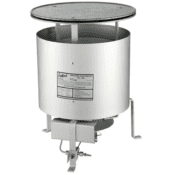 Gas Space Heaters
 Warm Air Heaters Europe
 Gas Warm Air Heaters
 Electric Warm Air Heaters
 Boilers Europe
 ATAG Boilers Europe
 Combi Boilers Europe
 System Boilers Europe
 Hot Water Cylinders Europe
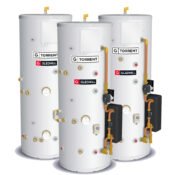 Thermal Store Hot Water Cylinders
 Unvented Hot Water Cylinders
 Vented Hot Water Cylinders
 Commercial Hot Water Cylinders
 Air Conditioning & Air Purification
 Daikin Air Conditioning Europe
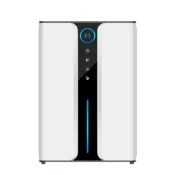 Dehumidifiers Europe
 Humidifiers Europe
 Air purifiers Europe
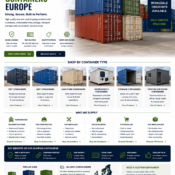 Shipping Containers Europe
 High Cube Containers
 Standard Containers (20ft, 40ft)
 Modified / Custom Containers
 Refrigerated Containers
 Storage Containers
 Renewable Energy Europe
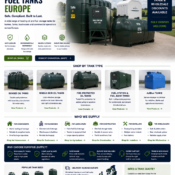 HOME HEATING OIL TANKS
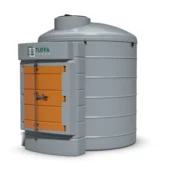 Bunded Oil Tanks
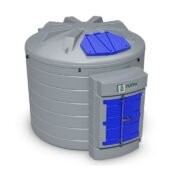 AdBlue tanks Europe
 Fire-protected oil tanks Europe
 Fuel Bank Or Fuel Station Oil Tanks
 Single Skinned oil Tanks
 Secure Storage Europe
 Smokeless Coal Europe
 Firewood Europe
 Briquettes & Heat Logs
 WOOD PELLETS

Shipping containers for commercial use provide businesses with practical options for storage, logistics, equipment protection, inventory management and certain specialist applications. From construction sites and warehouses to agricultural operations, retailers and industrial facilities, the right container can help organisations manage space, protect assets and support daily operations.
However, choosing a shipping container involves more than selecting a size. Businesses must consider container condition, dimensions, access requirements, security, ventilation, transportation, installation location and the intended use.
At EuroFuelSupply, we support residential, trade and commercial enquiries for shipping containers and other commercial supply products. This guide explains the main container types, their applications and the factors European buyers should consider before requesting a quotation.
What Are Shipping Containers for Commercial Use?
Commercial shipping containers are robust container units used for transporting goods, storing equipment, protecting inventory or supporting specific business operations. Depending on their design and specification, they may be suitable for temporary storage, permanent storage installations or freight transportation.
Businesses can choose from standard containers, High Cube containers, refrigerated units, modified containers and other specialist designs.
The appropriate option depends on whether the priority is secure storage, internal capacity, temperature control, frequent transport or a specialised operational requirement.
For businesses considering a purchase, EuroFuelSupply’s shipping container options provide a starting point for exploring available solutions and requesting product information.
Benefits of Shipping Containers for Businesses
1. Additional Commercial Storage Space
Growing businesses often need more room for stock, tools, materials, machinery and seasonal inventory. A shipping container can provide a separate storage area without requiring a conventional warehouse extension.
Construction companies may use containers for tools and building materials, while retailers and wholesalers may need additional space for stock overflow.
The container’s size, door opening, floor capacity and internal dimensions should be checked against the items being stored.
2. Protection for Equipment and Inventory
A suitable container can help protect goods from rain, wind and unauthorised access. Steel construction and lockable doors make many containers useful for storing tools, materials and other business assets.
However, weather resistance does not automatically mean that a container is completely watertight, condensation-free or suitable for every type of inventory. Buyers should inspect the container’s condition and consider moisture control, ventilation and additional security measures where necessary.
3. Support for Construction and Industrial Projects
Construction sites and industrial facilities may require secure storage close to the work area. Containers can help keep tools, consumables and equipment organised while reducing the need to transport items to a separate storage location.
Before installation, check site access, ground conditions, local planning requirements and the space required for delivery vehicles to position the container safely.
4. Flexible Storage for Changing Business Needs
Businesses may need different amounts of storage at different times of the year. Containers can offer a modular approach where suitable space and transport arrangements are available.
For example, a distributor may need additional storage during a busy sales period, while an agricultural business may require space for selected equipment or supplies during particular seasons.
The practical flexibility depends on the container’s location, lifting arrangements, site permissions and the cost of relocating it.
5. Options for Specialist Requirements
Not every business needs a standard dry container. Refrigerated containers, High Cube models and modified units may provide additional functionality for particular operations.
The key is to match the specification to the intended application rather than paying for features that are not needed.
Types of Shipping Containers for Commercial Applications
Standard Shipping Containers
Standard containers are commonly used for freight and general storage. Typical nominal lengths include 20ft and 40ft, although actual external and internal dimensions vary by model and manufacturer.
Common commercial applications include:
- Warehouse overflow and inventory storage.
- Construction tools and building materials.
- Retail stock and packaging supplies.
- Industrial equipment and spare parts.
- General commercial storage.
When comparing standard containers, check the internal length, width and height, door opening dimensions, payload rating, tare weight and floor condition.
High Cube Shipping Containers
High Cube containers offer additional internal height compared with standard containers of a similar nominal length.
They can be useful when businesses need more vertical storage space or need to accommodate taller items.
Potential applications include bulky inventory, packaging materials, equipment and goods that benefit from additional headroom.
The extra height does not eliminate the need to check the door opening, stacking arrangements, loading equipment and the weight distribution of stored goods.
Refrigerated Shipping Containers
Refrigerated containers, sometimes called reefer containers, are designed to maintain a controlled temperature within specified operating conditions.
They may be considered by businesses involved in food distribution, selected agricultural supply chains, pharmaceuticals or other temperature-sensitive operations, provided the particular unit is suitable and legally compliant for the intended goods.
Before purchasing a refrigerated unit, review:
- The available temperature range.
- Cooling capacity and operating conditions.
- Power supply requirements.
- Temperature monitoring and alarm features.
- Insulation and door-seal condition.
- Maintenance and servicing needs.
- Applicable hygiene, safety and product-specific regulations.
A refrigerated container should not be assumed suitable for every temperature-sensitive product. Verify the equipment’s capabilities and any required validation before use.
Storage Shipping Containers
Storage containers are used primarily to keep equipment, materials and inventory in a designated location. Depending on the product, they may be new, used or refurbished.
They can be useful for contractors, workshops, farms, warehouses and businesses that need additional on-site space.
For storage-only applications, buyers should prioritise condition, door operation, security, ventilation, floor integrity and the suitability of the site.
Modified and Specialist Containers
Some commercial operations need features beyond a standard container. Modified units may incorporate doors, windows, partitions, electrical installations, insulation or other changes.
Possible applications include equipment rooms, specialist storage areas, site offices and project-specific facilities.
Modifications must be assessed carefully. Cutting or altering structural components can affect the container’s strength, weather resistance and handling characteristics. Electrical work, fire safety, insulation, ventilation and building compliance may also need professional assessment.
Do not assume that a modified container can automatically be used as an occupied workplace or permanent building.
How to Choose the Right Shipping Container Size
Selecting the correct size can reduce wasted space, unnecessary transport costs and difficulties during loading.
When to Consider a 20ft Container
A 20ft container may suit businesses with moderate storage requirements, limited site space or equipment that does not require the capacity of a longer unit.
Potential applications include smaller construction sites, workshops, agricultural storage and local commercial inventory.
When to Consider a 40ft Container
A 40ft container may be more suitable for larger inventory volumes, bulky goods or operations that need substantial storage capacity in one unit.
However, the larger footprint requires more site space and may create additional delivery and positioning challenges. Confirm that the delivery vehicle can access the site and place the container where required.
When to Consider a High Cube Model
Choose a High Cube model when additional internal height provides a meaningful benefit, such as storing taller equipment or using vertical storage systems.
Always check the actual internal dimensions and door opening before confirming compatibility with your goods.
Measure Before You Order
Before choosing a container, measure the largest items you intend to store or transport. Include room for loading equipment, safe access, packaging and any required aisles.
Also verify the floor loading capacity and the maximum permissible load. A container’s physical capacity does not mean the delivery vehicle, lifting equipment or site can safely handle the same load.
New vs Used Shipping Containers: Which Is Better?
The decision between a new and used shipping container depends on budget, appearance, condition requirements and intended use.
New or One-Trip Containers
New or one-trip containers generally have had limited transport use compared with older units, although condition and history should always be verified with the seller.
Potential benefits include a cleaner appearance and less wear. They may be attractive for visible commercial locations, long-term storage and projects where condition is especially important.
Used Shipping Containers
Used containers may offer a lower initial purchase price, making them worth considering for general storage or applications where cosmetic condition is less important.
However, the condition of individual units can vary significantly. Check for corrosion, dents, floor damage, door-seal problems, structural repairs and signs of water ingress.
Ask for clear photographs, an accurate condition description and an inspection opportunity where practical.
Which Option Should a Business Choose?
A container used for a temporary project may have different condition requirements from one intended for long-term storage of valuable equipment.
Compare the total cost, including delivery, site preparation, any repairs, security upgrades and ongoing maintenance, rather than comparing purchase prices alone.
Important Factors to Check Before Buying
Container Condition and Structural Integrity
Inspect the roof, walls, floor, corner castings, door hinges and locking mechanisms. Look for significant corrosion, damaged welds, distorted frames and evidence of previous repairs.
If the container will carry freight, be stacked or moved regularly, confirm that its condition and documentation are suitable for that use.
Security Features
Consider the value and type of goods being stored. Lockable doors may be sufficient for some applications, while other sites may need a lockbox, additional locking equipment, perimeter fencing, lighting or access controls.
Security measures should be appropriate to the risks at the specific location.
Ventilation and Condensation
Moisture can build up inside containers because of temperature changes, humid air, wet goods or inadequate ventilation. Condensation can damage packaging, metal components, stock and equipment.
For sensitive inventory, consider appropriate ventilation, moisture management, insulation or environmental controls. Goods that require controlled humidity or temperature may need a specialised storage solution.
Floor Capacity and Loading
Check the permitted floor loading and the weight of the goods being stored. Heavy equipment should be positioned and supported according to the container’s specification and the supplier’s guidance.
If forklifts or other machinery will enter the container, confirm that the floor and loading arrangement are suitable for the equipment and concentrated wheel loads.
Delivery Access and Placement
A container purchase is only practical if the unit can be delivered and positioned safely.
Consider:
- Road width and vehicle access.
- Turning space and overhead obstructions.
- Ground strength and levelness.
- Space for the delivery vehicle and lifting equipment.
- The intended container position and door clearance.
- Any unloading, crane or specialist lifting requirements.
Provide accurate site details before requesting a delivery quotation.
Shipping Containers for Different Commercial Industries
Construction Companies
Construction businesses can use containers for tools, building materials, selected equipment and site supplies. A secure storage location may help organise work areas and reduce the need for repeated transport.
The container should be positioned on a suitable surface and must not obstruct emergency access, site traffic or essential services.
Warehousing and Distribution
Wholesalers, distributors and logistics operators may use containers to supplement existing storage capacity or organise particular categories of inventory.
Before using a container for business stock, check that its internal dimensions, access and environmental conditions are appropriate for the products.
Agriculture and Farming
Farms may require storage for tools, selected equipment, packaging and other appropriate supplies.
Stored chemicals, fuels, fertilisers or hazardous materials may be subject to specific containment, ventilation, fire-safety and environmental requirements. A standard container should not be assumed suitable for hazardous substances without a proper assessment.
Retail and Wholesale Businesses
Retailers and wholesalers may use containers for seasonal inventory, packaging, fixtures and selected non-perishable goods.
A container can provide additional space, but the site should be secure, accessible and suitable for the stock being stored. Businesses should also account for stock handling and inventory management.
Manufacturing and Industrial Facilities
Industrial operations may need storage for spare parts, maintenance tools, production materials and equipment.
Review floor loading, access, ventilation, corrosion protection and environmental conditions before placing sensitive machinery or components inside a container.
Can Shipping Containers Be Used as Commercial Buildings?
Containers can sometimes be adapted for specialised commercial purposes, but converting a container into a workshop, office, retail space or occupied facility requires additional planning.
Depending on the location and intended use, requirements may include planning permission, building regulations, fire safety, insulation, ventilation, accessibility, electrical compliance and structural assessment.
A container designed for freight is not automatically compliant as a building. Before investing in modifications, consult the relevant local authority and appropriately qualified professionals.
Shipping Container Delivery Across Europe
Shipping containers require specialist transport because of their size, weight and handling requirements. The cost and feasibility of delivery depend on the container type, quantity, delivery location and site conditions.
When arranging delivery, prepare the following information:
- Container size and type.
- Required quantity.
- Delivery country, city and postcode.
- Site access and ground conditions.
- Available positioning space.
- Overhead restrictions and nearby obstacles.
- Required delivery date or project timeframe.
- Whether crane lifting or other specialist equipment may be necessary.
For more information, review the EuroFuelSupply Shipping & Delivery page. Delivery options, costs and timescales must be confirmed for the particular container and destination.
Buying Shipping Containers in Bulk for Commercial Projects
Businesses purchasing multiple containers should prepare a consistent specification to simplify quotation and procurement.
For a larger order, identify:
- Container type: Standard, High Cube, refrigerated, storage or modified.
- Size and quantity: For example, several 20ft containers or a combination of sizes.
- Condition: New, used or a specified condition grade.
- Intended use: Freight transport, general storage or a specialist application.
- Required features: Security, refrigeration, modifications or other specific requirements.
- Delivery arrangements: Destination, site access, unloading and positioning.
- Project schedule: The timeframe in which the containers are required.
If the purchase is part of a construction project, warehouse expansion or multi-site operation, include the project location and any phased delivery requirements.
EuroFuelSupply welcomes enquiries for shipping containers and commercial supply solutions. Visit the Wholesale Energy Products Europe page or submit your requirements through the Get a Quote page.
Quotations are subject to product availability, specifications, transportation requirements and destination.
Why Request a Shipping Container Quote from EuroFuelSupply?
Choosing a supplier is easier when your enquiry includes a clear description of the container and its intended use.
EuroFuelSupply serves residential, trade and commercial customers with a wider product range that includes shipping containers, secure storage solutions, heating equipment and other commercial products.
When contacting the team, provide the container size, type, quantity and delivery location. If the container is for a specific project, describe the intended application and any additional technical requirements.
This information helps the sales team assess the enquiry and determine the relevant product and delivery details.
To discuss your requirements, visit EuroFuelSupply.com or contact the sales team through the contact page.
Frequently Asked Questions About Commercial Shipping Containers
What is the best shipping container for commercial storage?
The best option depends on the volume, weight and type of goods, the available site space and the required security and environmental conditions. Standard containers suit many general storage applications, while High Cube and specialist models may be better for particular requirements.
Should I buy a new or used shipping container?
New or lightly used containers may be preferable where appearance and condition are priorities. Used containers may be more economical for some storage applications, but inspect their structural condition, floor, doors and seals before buying.
What is the difference between a standard and High Cube container?
A High Cube container provides additional internal height compared with a standard container of similar nominal length. Actual dimensions vary by model, so verify the manufacturer’s specifications before purchasing.
Are refrigerated containers suitable for commercial goods?
Refrigerated containers can suit certain temperature-sensitive products if the unit’s operating range, capacity, condition and regulatory suitability meet the requirements of those goods. Confirm the specification before use.
Can shipping containers be used for long-term storage?
Yes, suitable containers can be used for long-term storage when correctly selected, inspected, positioned and maintained. Ground conditions, moisture management, corrosion, security and local permissions should all be considered.
Does a shipping container need planning permission?
Requirements vary by country, municipality, site and intended use. Temporary placement, long-term installation and conversion into an occupied building may be treated differently. Check with the relevant local authority before installation.
How much does a commercial shipping container cost?
The price depends on container size, type, condition, modifications, quantity and delivery location. Specialist transport and positioning can add to the overall cost. Request a quotation based on your actual requirements rather than comparing the container purchase price alone.
Can I order multiple shipping containers for a business project?
You can submit a commercial or wholesale enquiry describing the required container types, quantities, delivery locations and timeframe. The available options and quotation will depend on the specific order and destination.
How is a shipping container delivered?
Shipping containers generally require specialist transport and appropriate unloading or positioning arrangements. The delivery provider needs accurate information about the site, access, ground conditions and intended placement before confirming the arrangements.
Conclusion: Find the Right Shipping Container for Your Business
Shipping containers can support commercial storage, construction, agriculture, warehousing, logistics and industrial operations. The best choice depends on the intended use, required dimensions, container condition, security, loading requirements and delivery arrangements.
Before purchasing, compare the full specification and total delivered cost. Check that the container is suitable for its intended application and that the delivery site can accommodate safe positioning.
For European businesses seeking containers for storage or commercial projects, EuroFuelSupply provides a route to enquire about suitable container options and commercial supply requirements.
Ready to discuss your requirements? Visit Shipping Containers for Sale, explore wholesale commercial products or request a quotation with your preferred size, quantity and delivery destination.