 WATER HEATERS
 Rinnai Water Heaters (Internal & External Installation)
 Caravan Water Heaters
 Commercial Continuous Flow Gas Water Heaters
 Domestic Tankless Multipoint Gas Water Heaters
 Gas Heaters Europe
 Calor Gas Heaters
 Gas Space Heaters
 Warm Air Heaters Europe
 Gas Warm Air Heaters
 Electric Warm Air Heaters
 Boilers Europe
 ATAG Boilers Europe
 Combi Boilers Europe
 System Boilers Europe
 Hot Water Cylinders Europe
 Thermal Store Hot Water Cylinders
 Unvented Hot Water Cylinders
 Vented Hot Water Cylinders
 Commercial Hot Water Cylinders
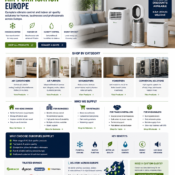 Air Conditioning & Air Purification
 Daikin Air Conditioning Europe
 Dehumidifiers Europe
 Humidifiers Europe
 Air purifiers Europe
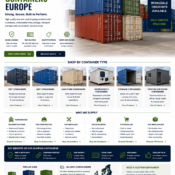 Shipping Containers Europe
 High Cube Containers
 Standard Containers (20ft, 40ft)
 Modified / Custom Containers
 Refrigerated Containers
 Storage Containers
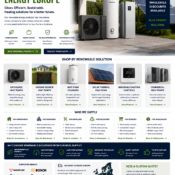 Renewable Energy Europe
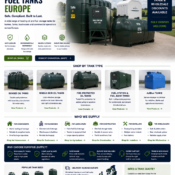 HOME HEATING OIL TANKS
 Bunded Oil Tanks
 AdBlue tanks Europe
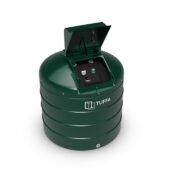 Fire-protected oil tanks Europe
 Fuel Bank Or Fuel Station Oil Tanks
 Single Skinned oil Tanks
 Secure Storage Europe
 Smokeless Coal Europe
 Firewood Europe
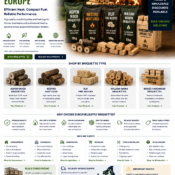 Briquettes & Heat Logs
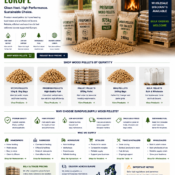 WOOD PELLETS

How to Choose Biomass Fuel
Choosing the right biomass fuel can make a significant difference to heating performance, fuel consumption, storage requirements and overall running costs. Whether you are heating a home, managing a commercial property, operating a farm or purchasing fuel for resale, the right biomass product should match your heating system, required heat output, available storage and budget.
Biomass heating fuels include products such as wood pellets, biomass briquettes, wood briquettes, firewood and other wood-based fuels. Each type has different characteristics, making some products better suited to automated biomass boilers, others to wood-burning stoves, fireplaces or commercial heating applications.
For European buyers, product quality, certification, moisture content, fuel consistency, delivery options and responsible sourcing are also important considerations.
At EuroFuelSupply, customers can source heating fuels and energy products for residential, trade, commercial and wholesale requirements across supported European markets.
Quick Answer: How Do You Choose the Right Biomass Fuel?
The best biomass fuel depends primarily on your heating appliance and how you intend to use it.
Before buying, consider:
- What heating appliance you have
- Which fuel types the manufacturer recommends
- Fuel quality and certification
- Moisture content
- Ash production
- Energy or calorific value
- Fuel size and consistency
- Storage space
- Delivery requirements
- Price per useful unit of heat rather than price alone
For example, certified wood pellets are generally suited to compatible pellet stoves and biomass boilers, while firewood and briquettes may be more appropriate for compatible wood-burning stoves, fireplaces and multifuel appliances.
The most important rule is simple: always make sure the biomass fuel is compatible with your heating appliance before ordering.
What Is Biomass Fuel?
Biomass fuel is fuel produced from biological material, commonly including wood and other plant-based materials.
In heating applications, solid biomass fuels can include:
- Wood pellets
- Biomass pellets
- Wood briquettes
- Biomass briquettes
- Heat logs
- Firewood
- Wood chips
- Agricultural biomass fuels
- Other processed wood-based fuels
Wood is particularly important within Europe’s biomass heating market. The European Parliament has identified wood as the most common biomass resource used for energy applications.
Biomass can be used for domestic heating as well as commercial, agricultural and industrial applications.
The correct fuel depends on the appliance, required output and application.
Why Is Choosing the Right Biomass Fuel Important?
Not every biomass fuel performs the same way.
Two products can both be described as biomass fuel but have completely different characteristics when burned.
The right product can help provide:
- Consistent heating performance
- Reliable combustion
- Appropriate heat output
- Easier fuel handling
- Suitable storage
- Reduced maintenance requirements
- Better appliance performance
- More predictable fuel consumption
The wrong fuel can potentially cause poor combustion, excessive ash, reduced performance or problems with an appliance.
This is why biomass buyers should look beyond the cheapest price per bag, pallet or tonne.
1. Start With Your Heating Appliance
The first question to ask is:
What fuel does your heating system actually use?
This should always be your starting point.
Pellet Boilers and Pellet Stoves
Pellet appliances are specifically designed to burn wood pellets or compatible pellet fuels.
Pellets are manufactured into a consistent shape and size, allowing compatible automated heating systems to feed fuel into the combustion chamber.
For these appliances, look for pellets that meet the required specification and certification.
Wood-Burning Stoves
Wood-burning stoves generally use suitable seasoned or kiln-dried firewood.
Depending on the appliance, some stoves may also accept approved briquettes or heat logs.
Multifuel Stoves
Multifuel appliances can often accommodate more than one type of solid fuel, but the manufacturer should always be consulted before changing fuels.
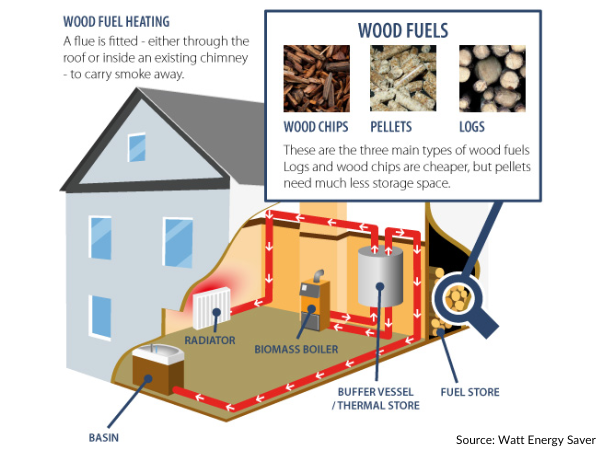
Biomass Boilers
Larger biomass boilers can use products such as wood pellets, wood chips or other approved biomass fuels depending on the boiler design.
Commercial and industrial systems can have very specific fuel requirements.
Never assume that every biomass fuel can be burned in every biomass appliance.
2. Understand the Main Types of Biomass Fuel
Choosing biomass fuel becomes much easier once you understand the differences between the main products.
Wood Pellets
Wood pellets are small, compressed cylinders made from wood material.
They are widely used in compatible pellet stoves and biomass boilers.
High-quality certified pellets offer consistent dimensions and controlled fuel characteristics.
ENplus describes certified wood pellets as meeting strict requirements for characteristics including moisture, ash and net calorific value.
For European residential and commercial heating, wood pellets are one of the most practical biomass fuels where compatible equipment is installed.
Explore the Wood Pellets range from EuroFuelSupply for available heating pellet products.
Biomass Briquettes
Biomass briquettes are compressed blocks or logs made from biomass materials.
They can offer:
- High energy density
- Convenient storage
- Easy handling
- Long burning characteristics depending on the product
- Lower storage volume than loose firewood in some applications
However, suitability depends on the appliance.
Wood Briquettes and Heat Logs
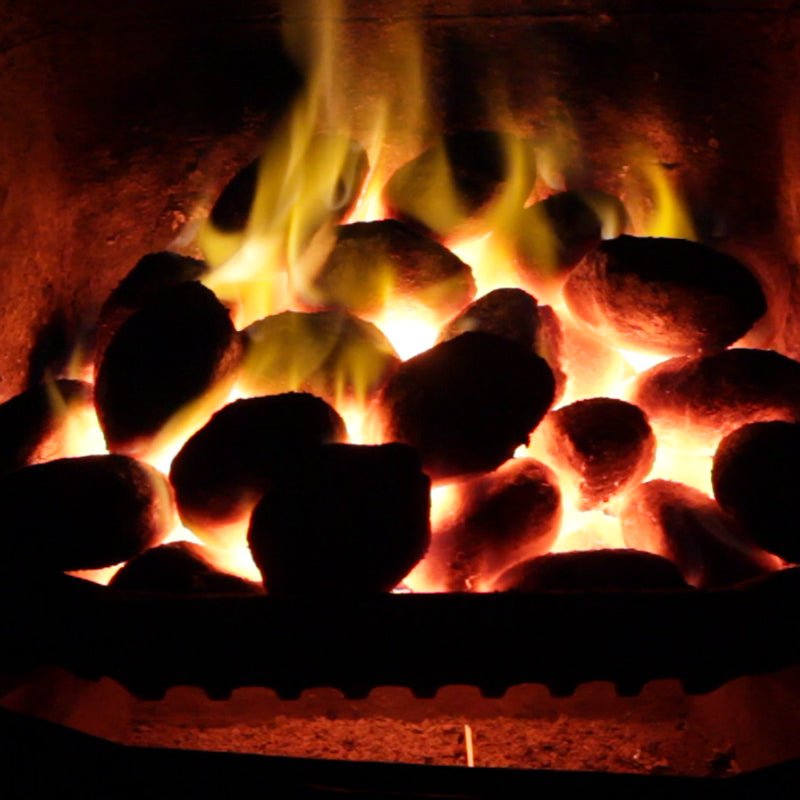
Wood briquettes and heat logs are compressed wood-based fuels designed for compatible stoves, fireplaces and other solid-fuel appliances.
Because they are compressed, they can be easier to stack and store than irregular pieces of firewood.
Firewood
Firewood remains a traditional biomass heating fuel throughout Europe.
Quality firewood should be appropriately seasoned or kiln-dried for its intended application.
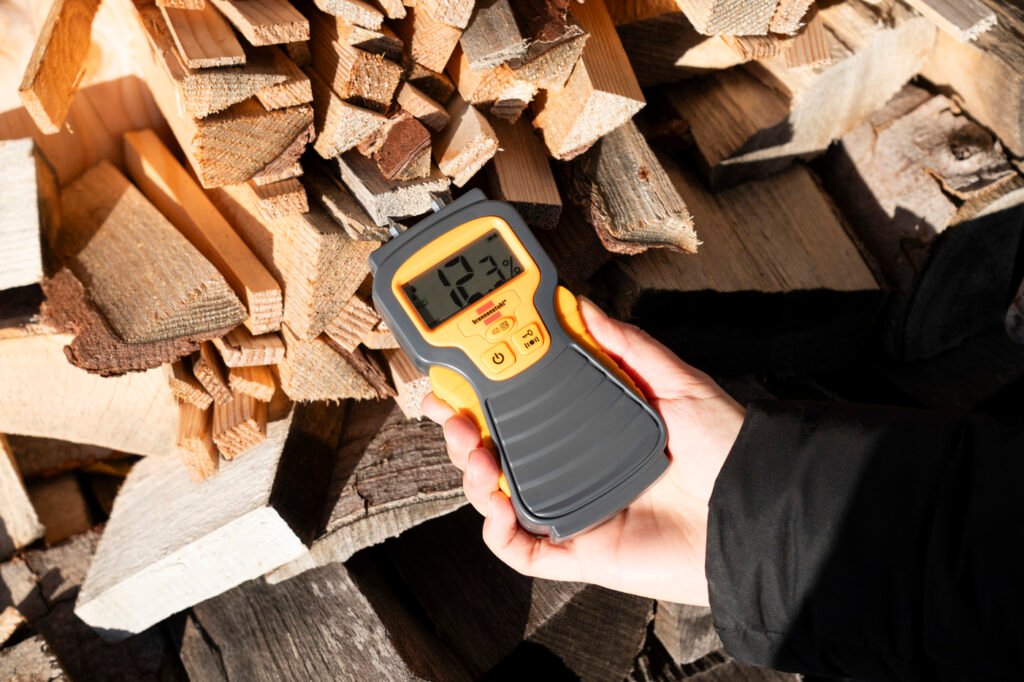
Moisture content is particularly important because wetter wood generally requires more energy to evaporate water before the fuel can burn effectively.
EuroFuelSupply also supplies firewood products for suitable residential, commercial and trade applications.
Wood Chips
Wood chips are commonly associated with larger biomass heating systems rather than standard household stoves.
They can be appropriate for commercial, agricultural or industrial biomass boilers specifically designed for chip fuel.
3. Check Fuel Quality
Fuel quality should be one of your biggest considerations.
A low-quality biomass fuel may cost less initially but can deliver poorer combustion characteristics or require more maintenance.
When comparing products, investigate:
- Moisture content
- Ash content
- Calorific value
- Fuel density
- Mechanical durability
- Size consistency
- Certification
- Packaging
- Origin and traceability
For pellet buyers, certification can be particularly useful when comparing products.
ENplus is a major wood-pellet quality certification system covering the supply chain from production through delivery.
4. Look for Appropriate Certification
Certification can give buyers an additional way to compare pellet quality.
For wood pellets, ENplus certification is one of the most recognised quality systems in Europe.
ENplus-certified pellets are subject to requirements covering important fuel characteristics and supply-chain quality.
When buying pellets, check:
- Certification information
- Pellet grade
- Producer or supplier information
- Product specification
- Packaging information
- Intended application
For many residential pellet heating systems, ENplus A1 is an important specification to investigate.
However, certification should not replace checking your appliance manufacturer’s fuel requirements.
5. Check Moisture Content
Moisture is particularly important when purchasing firewood and other biomass fuels.
Fuel with excessive moisture can reduce effective combustion performance because some of the available energy is used to evaporate the water contained in the fuel.
For firewood, look for appropriately seasoned or kiln-dried products where suitable for your appliance.
For pellets and briquettes, check the manufacturer’s stated specifications.
The objective is to purchase fuel that provides consistent performance rather than simply selecting the lowest-priced product.
6. Consider Ash Content
Ash is the material remaining after biomass fuel has been burned.
Higher ash production can mean:
- More frequent cleaning
- More ash disposal
- Greater maintenance requirements
- Potentially less convenient operation
For pellet heating systems, ash content is one of the quality characteristics controlled by recognised pellet standards.
This is another reason why buyers should examine technical specifications rather than choosing fuel based solely on price.
7. Compare Energy Output
Calorific value indicates the amount of energy available from a fuel under defined testing conditions.
When comparing biomass products, look at the stated calorific or heating value.
However, do not use calorific value alone to decide which fuel is best.
Actual heating performance depends on several factors, including:
- Appliance efficiency
- Fuel quality
- Moisture
- Combustion conditions
- Building insulation
- Required indoor temperature
- Heating system settings
The better question is:
How much useful heat can I obtain from this fuel in my particular heating system?
8. Consider Fuel Consistency
Consistency matters particularly for automated heating systems.
Pellets should generally have consistent dimensions and characteristics so compatible automatic feeding systems can operate reliably.
Inconsistent fuel can potentially create handling or feeding problems.
For commercial buyers, consistency becomes even more important because large heating systems may consume significant quantities of fuel over extended periods.
This is why businesses should establish clear product specifications before committing to recurring biomass supply.
9. Calculate the Total Cost of Biomass Fuel
The cheapest biomass fuel is not necessarily the cheapest heating solution.
Instead of comparing only the purchase price, consider the total cost.
Your calculation should include:
Fuel price + delivery + storage + handling + maintenance + expected consumption
For example, a lower-cost fuel may require:
- More frequent deliveries
- More storage space
- More frequent cleaning
- Higher consumption
A slightly more expensive premium fuel may provide better consistency and convenience.
For commercial and wholesale buyers, the calculation should also include freight, pallet quantities, unloading requirements and delivery distance.
10. Choose the Right Purchase Quantity
The amount you should buy depends on your heating requirements and storage capacity.
Homeowners
A homeowner may purchase:
- Individual bags
- Multiple bags
- Pallets
- Seasonal quantities
Commercial Customers
Businesses may require:
- Multiple pallets
- Recurring deliveries
- Larger fuel quantities
- Commercial biomass supply
Resellers and Trade Buyers
Fuel merchants and retailers may need:
- Full pallets
- Multiple pallets
- Recurring wholesale orders
- Resale-ready packaging
EuroFuelSupply supports wholesale enquiries for biomass fuel, wood pellets, briquettes and other energy products depending on product availability and destination.
For larger requirements, use the Wholesale Energy Products Europe page to explore commercial supply options.
11. Consider Storage Before Ordering
Storage is often overlooked when purchasing biomass fuel.
The fuel should be stored according to the product and manufacturer’s recommendations.
For pellets and briquettes, storage should generally protect the fuel from moisture and environmental exposure.
ENplus provides dedicated guidance concerning safe and appropriate wood-pellet storage.
Before placing a large order, consider:
- Available storage space
- Indoor or protected storage
- Pallet access
- Delivery vehicle access
- Loading and unloading
- Protection from rain and moisture
- Distance from the heating appliance
Buying a large quantity at once only makes sense if you have an appropriate place to store it.
12. Think About Delivery Across Europe
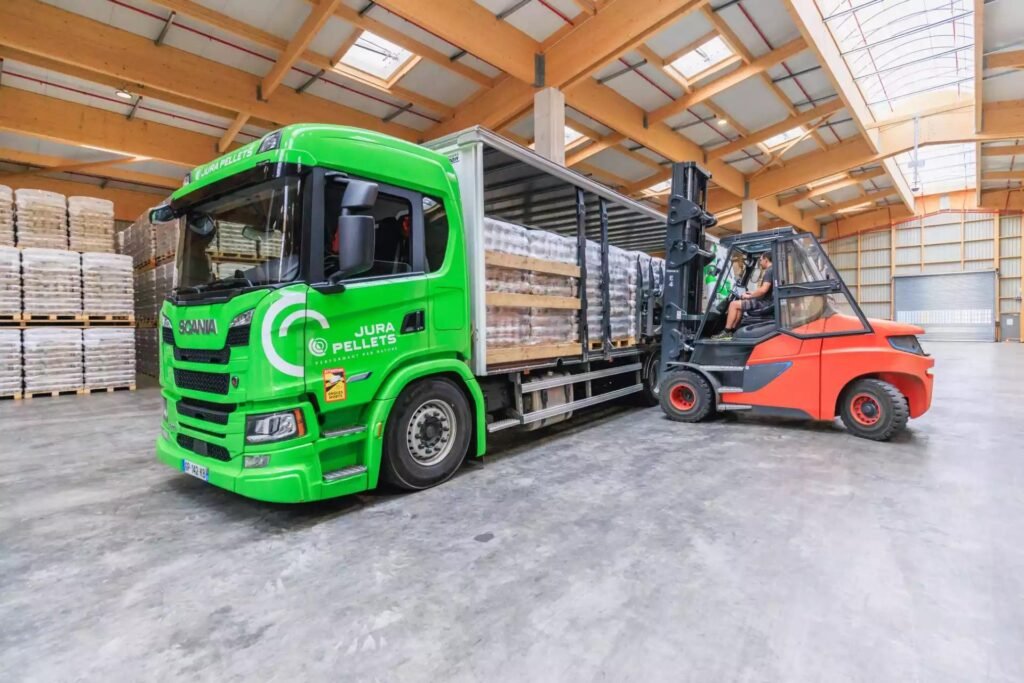
Biomass fuel can be heavy and bulky, so delivery logistics matter.
Your final delivered cost can depend on:
- Product type
- Quantity
- Number of pallets
- Delivery destination
- Freight requirements
- Vehicle access
- Delivery method
- Product availability
EuroFuelSupply supports pallet, multi-pallet, bulk fuel and commercial freight requirements depending on the product and destination.
For larger orders, providing your exact destination and required quantity allows the supplier to determine the most appropriate delivery solution.
Best Biomass Fuel for Different Applications
There is no single biomass fuel that is best for every customer.
| Application | Biomass Fuel to Consider |
|---|---|
| Pellet stove | Certified wood pellets |
| Pellet boiler | Certified heating pellets |
| Wood-burning stove | Suitable dry firewood |
| Multifuel stove | Approved firewood/briquettes according to manufacturer |
| Fireplace | Suitable dry firewood or approved briquettes |
| Commercial biomass boiler | Fuel specified by boiler manufacturer |
| Agricultural heating | Suitable commercial biomass fuel |
| Fuel retailer | Palletised biomass products |
| Wholesale supply | Wood pellets, briquettes and other suitable biomass products |
| Industrial biomass system | Fuel specified by system design |
The key is always appliance compatibility first, fuel price second.
Wood Pellets vs Biomass Briquettes vs Firewood
Different fuels suit different buyers.
Wood Pellets
Best for: Compatible automated pellet boilers and pellet stoves.
Advantages:
- Consistent size
- Easy automated feeding
- Convenient pallet storage
- Widely available in European markets
- Certified options available
Biomass Briquettes
Best for: Suitable stoves, fireplaces and compatible solid-fuel heating systems.
Advantages:
- High-density fuel format
- Convenient handling
- Compact storage
- Consistent manufactured shape
Firewood
Best for: Compatible wood-burning stoves, fireplaces and traditional solid-fuel heating.
Advantages:
- Traditional heating fuel
- Widely used
- Simple fuel format
- Available in different wood species and pack sizes
How to Choose Biomass Fuel for a Home
For residential buyers, start with the heating appliance.
If you have a pellet stove or pellet boiler, investigate certified heating pellets that meet the appliance specification.
You have a wood-burning stove, look for appropriate dry firewood.
If your appliance accepts briquettes, compare suitable briquette products based on their specifications.
Then consider:
- Your annual heating requirement
- Available storage
- Local delivery options
- Fuel quality
- Certification
- Price
- Maintenance
- Convenience
A good biomass fuel purchase should balance all of these factors.
How to Choose Biomass Fuel for a Business
Commercial buyers should take a more detailed approach.
A business may need fuel for:
- Hotels
- Restaurants
- Farms
- Warehouses
- Workshops
- Factories
- Schools
- Commercial buildings
- Property developments
- Hospitality facilities
The purchasing decision should consider:
Heating demand
Estimate how much fuel the system consumes during normal and peak periods.
Delivery frequency
Determine whether weekly, monthly, seasonal or project-based deliveries are most appropriate.
Storage capacity
Make sure your facility can safely store the required volume.
Fuel specification
Maintain consistent fuel specifications to support predictable system performance.
Commercial pricing
Ask suppliers about pallet, multi-pallet or recurring supply options.
Delivery destination
Provide the exact delivery country, city and postcode when requesting a quotation.
EuroFuelSupply’s wholesale service is designed to support retailers, distributors, heating contractors, agricultural businesses, hospitality companies and other commercial buyers.
How to Choose Biomass Fuel for Wholesale
Wholesale buyers should look beyond the individual product price.
Important factors include:
- Minimum order quantity
- Pallet configuration
- Packaging
- Product certification
- Availability
- Delivery lead time
- Freight costs
- Destination
- Resale demand
- Recurring supply capability
If you operate a fuel business or retail operation, buying larger quantities can make sense when you have sufficient demand and storage.
EuroFuelSupply offers wholesale enquiries for wood pellets, firewood, biomass fuel, briquettes and other energy products.
Internal link: Wholesale Energy Products Europe
Why Buy Biomass Fuel From EuroFuelSupply?
EuroFuelSupply provides a broad range of fuel, heating and energy products for customers across supported European markets.
The website currently includes:
- Wood pellets
- Firewood
- Biomass fuel
- Briquettes and heat logs
- Smokeless coal
- Boilers
- Water heaters
- Heating equipment
- Renewable energy products
- Heat pumps
- HVAC and air-conditioning products
- Heating oil tanks
- Commercial energy products
This makes EuroFuelSupply useful for customers who want to source fuel and related heating equipment from one European-focused supplier.
For example, customers looking specifically for biomass heating fuel can explore the available wood pellet products, while businesses requiring larger quantities can enquire about wholesale supply.
What Biomass Fuel Should You Buy?
If you are still unsure, use this simple decision process:
Step 1: Identify your appliance
Find the manufacturer’s approved fuel types.
Step 2: Choose the appropriate fuel category
Select pellets, briquettes, firewood, chips or another approved biomass product.
Step 3: Compare quality
Check certification, moisture, ash, energy value and consistency.
Step 4: Calculate your requirement
Estimate how much fuel you need for the expected heating period.
Step 5: Check storage
Make sure you have adequate protected storage.
Step 6: Compare delivered prices
Include transport and handling costs.
Step 7: Buy from a reliable supplier
Check product information, availability, delivery arrangements and support.
Biomass Fuel Buying Checklist How to Choose Biomass Fuel
Before ordering, ask:
- Is this fuel compatible with my appliance?
- What is the moisture content?
- What is the ash content?
- What is the calorific value?
- Is the product certified?
- What size is the fuel?
- How is it packaged?
- How much do I need?
- Do I have enough storage?
- What is the delivered price?
- Can the supplier deliver to my location?
- Is the product available for recurring supply?
- Are wholesale quantities available?
If you can answer these questions, you are in a much stronger position to choose the right biomass fuel.
Frequently Asked Questions About Biomass Fuel. How to Choose Biomass Fuel
What is the best biomass fuel?
The best biomass fuel depends on your heating appliance and application. Certified wood pellets are suitable for compatible pellet boilers and stoves, while firewood and briquettes may be appropriate for compatible solid-fuel appliances.
Is biomass fuel suitable for home heating?
Yes. Biomass fuels such as wood pellets, firewood and briquettes can be used for residential heating when used in compatible appliances.
Are wood pellets biomass fuel?
Yes. Wood pellets are a form of solid biomass fuel produced from compressed wood material.
What is the difference between wood pellets and briquettes?
Wood pellets are small compressed cylinders commonly used in automated pellet heating systems. Briquettes are larger compressed fuel blocks or logs generally used in suitable stoves, fireplaces and solid-fuel heating appliances.
Are ENplus pellets better?
ENplus certification provides a recognised framework for wood-pellet quality, including requirements relating to characteristics such as moisture, ash and calorific value.
However, you should still check that the pellet specification is appropriate for your particular heating appliance.
Can I buy biomass fuel in bulk?
Yes. Bulk and wholesale biomass purchasing can be suitable for commercial customers, fuel retailers, agricultural businesses and other organisations with sufficient storage.
EuroFuelSupply accepts wholesale enquiries for biomass fuel and related heating products.
How should biomass fuel be stored?
Storage requirements depend on the fuel. In general, biomass fuels should be protected from moisture and stored according to the manufacturer’s recommendations. Pellet buyers should also follow recognised storage guidance.
Can EuroFuelSupply deliver biomass fuel in Europe?
EuroFuelSupply provides delivery options for supported European destinations, with the appropriate method depending on the product, quantity, weight and destination.
Can businesses request wholesale biomass prices?
Yes. Businesses can contact EuroFuelSupply with the required product, quantity and delivery destination to discuss wholesale pricing and delivery options.
Choose the Right Biomass Fuel With EuroFuelSupply
Choosing biomass fuel should not simply come down to finding the lowest price.
The right decision combines fuel quality, appliance compatibility, heating performance, storage, quantity, delivery and total cost.
Whether you are a homeowner buying heating fuel, a business managing commercial heating, an agricultural customer requiring biomass energy or a retailer looking for wholesale supply, selecting the right product can make your heating operation more efficient and predictable.
EuroFuelSupply provides access to wood pellets, firewood, biomass fuel, briquettes and other heating and energy products for customers across supported European markets.
Explore biomass heating products, compare suitable fuels and contact EuroFuelSupply for residential, trade or wholesale requirements.
Recommended internal links:
- Wood Pellets Europe → EuroFuelSupply Wood Pellets
- Wholesale Energy Products Europe → Wholesale Energy Products Europe
- Firewood Europe → EuroFuelSupply Firewood Products
- Briquettes & Heat Logs → EuroFuelSupply Briquettes & Heat Logs
- Boilers Europe → EuroFuelSupply Boilers
- Shipping & Delivery → European Fuel Delivery & Shipping
- Request a Quote → Request an Energy Supply Quote
- Contact EuroFuelSupply → Contact EuroFuelSupply