 WATER HEATERS
 Rinnai Water Heaters (Internal & External Installation)
 Caravan Water Heaters
 Commercial Continuous Flow Gas Water Heaters
 Domestic Tankless Multipoint Gas Water Heaters
 Gas Heaters Europe
 Calor Gas Heaters
 Gas Space Heaters
 Warm Air Heaters Europe
 Gas Warm Air Heaters
 Electric Warm Air Heaters
 Boilers Europe
 ATAG Boilers Europe
 Combi Boilers Europe
 System Boilers Europe
 Hot Water Cylinders Europe
 Thermal Store Hot Water Cylinders
 Unvented Hot Water Cylinders
 Vented Hot Water Cylinders
 Commercial Hot Water Cylinders
 Air Conditioning & Air Purification
 Daikin Air Conditioning Europe
 Dehumidifiers Europe
 Humidifiers Europe
 Air purifiers Europe
 Shipping Containers Europe
 High Cube Containers
 Standard Containers (20ft, 40ft)
 Modified / Custom Containers
 Refrigerated Containers
 Storage Containers
 Renewable Energy Europe
 HOME HEATING OIL TANKS
 Bunded Oil Tanks
 AdBlue tanks Europe
 Fire-protected oil tanks Europe
 Fuel Bank Or Fuel Station Oil Tanks
 Single Skinned oil Tanks
 Secure Storage Europe
 Smokeless Coal Europe
 Firewood Europe
 Briquettes & Heat Logs
 WOOD PELLETS

Biomass heating for businesses is an option worth exploring for organisations that need dependable space heating, hot water or process heat. From hotels and agricultural buildings to warehouses, commercial properties and industrial facilities, biomass systems can provide heat by using organic fuels such as wood pellets, wood chips and suitable biomass briquettes.
For European businesses looking to review their energy strategy, choosing the right biomass fuel involves more than comparing prices. Fuel availability, storage capacity, boiler compatibility, heat demand, delivery logistics, maintenance requirements and local environmental regulations all matter.
At EuroFuelSupply, we support residential, trade, commercial and wholesale customers looking for heating fuels, biomass products and commercial heating solutions across Europe. Our range includes wood pellets, firewood, biomass fuel, briquettes and other heating products, with supply options depending on product availability and delivery destination.
Whether you operate a single commercial property or purchase fuel for multiple sites, this guide explains how to evaluate biomass heating and source suitable products for your business.
What Is Biomass Heating for Businesses?
Biomass heating uses organic material as fuel to generate heat. In commercial applications, a biomass boiler or compatible heating system burns the selected fuel to provide space heating, hot water or heat for certain industrial processes.
Unlike conventional heating systems that rely on natural gas, heating oil or electricity, biomass systems use fuels derived from biological materials. Wood pellets, wood chips and certain wood briquettes are common examples, although not every fuel is suitable for every appliance.
Businesses may consider biomass heating for:
- Hotels, guesthouses and hospitality properties
- Farms, agricultural buildings and horticultural facilities
- Warehouses and workshops
- Commercial offices and business premises
- Schools and other institutional buildings
- Industrial facilities requiring suitable process heat
- Property developments and multi-building sites
- Retailers and fuel merchants supplying heating customers
The suitability of biomass depends on the building, its heat demand, the system installed and the practicalities of sourcing and storing fuel.
Why Are Businesses Considering Biomass Heating?
Commercial energy decisions usually involve balancing operating costs, reliability, equipment investment and environmental objectives. Biomass heating can be one option in a broader energy strategy, particularly for sites with suitable fuel storage and regular heating demand.
1. Potential to diversify heating fuel supplies
Businesses that rely on a single heating fuel may wish to assess alternative supply arrangements. Biomass can provide another option where a suitable boiler, dependable fuel supply and appropriate storage facilities are available.
However, the commercial case depends on the delivered cost of fuel, equipment efficiency, maintenance and local operating conditions. Businesses should compare the total cost of ownership rather than fuel prices alone.
2. Suitable for buildings with consistent heat demand
Properties that require substantial heating over extended periods may be candidates for a biomass feasibility assessment.
Examples include agricultural buildings, hospitality facilities, workshops and certain industrial premises. A professional assessment should consider seasonal demand, peak heat requirements, hot-water demand and the operating schedule.
3. Supports renewable-energy planning
Wood-based biomass can be part of a renewable-energy strategy when sourced and used appropriately. Its overall environmental impact depends on factors such as feedstock origin, forestry practices, processing, transportation, combustion performance and applicable sustainability criteria.
Businesses should assess the relevant lifecycle emissions and local air-quality requirements before selecting biomass as part of their decarbonisation plans.
4. Opportunities for planned bulk purchasing
Commercial heating operations often benefit from forecasting their fuel requirements in advance. Depending on availability and delivery arrangements, businesses may investigate palletised wood pellets, larger fuel orders or recurring supply quotations.
Explore EuroFuelSupply’s wholesale energy products for European businesses to discuss bulk fuel requirements, commercial orders and potential supply arrangements.
Types of Biomass Fuel for Commercial Heating
Choosing the correct fuel is essential. A fuel that performs well in one appliance may be unsuitable for another, so always confirm the manufacturer’s specifications before purchasing.
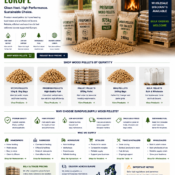
Wood pellets
Wood pellets are compressed wood-based fuel products commonly used in compatible pellet stoves and biomass boilers. Their relatively uniform size makes them suitable for many automated feeding systems designed for the specified pellet grade.
Businesses considering commercial wood pellets should assess:
- The pellet specification required by the boiler
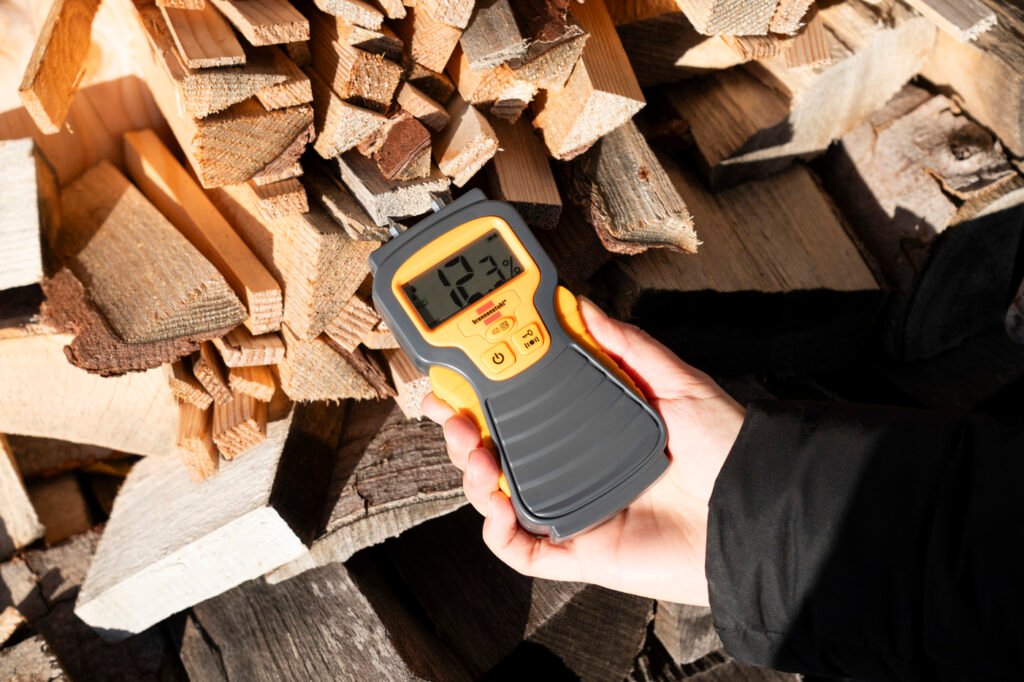
- Moisture content and ash characteristics
- Mechanical durability and fines
- Applicable quality certification
- Packaging and storage arrangements
- Delivery quantities and replenishment frequency
Browse the EuroFuelSupply wood pellets category to explore available products for suitable domestic and commercial applications.
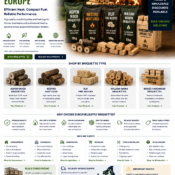
Wood briquettes and biomass briquettes
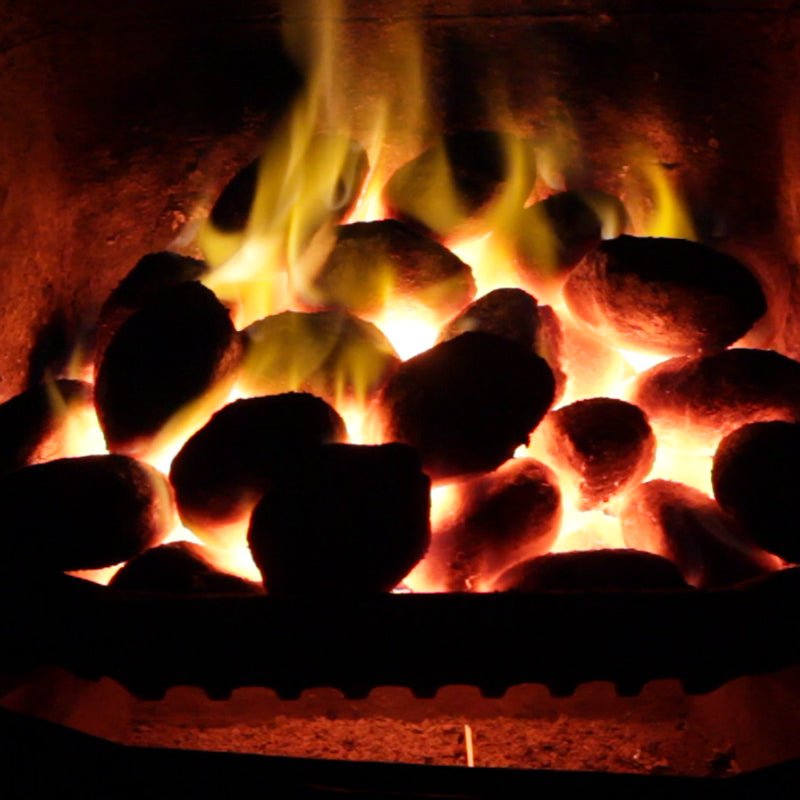
Wood briquettes are compressed fuel products that may be suitable for compatible stoves, boilers or other solid-fuel appliances. Their dimensions, density, moisture content and combustion characteristics vary by product.
They can be relevant to certain hospitality businesses, workshops and properties using compatible equipment. However, ordinary briquettes should not be assumed to be suitable for an automated pellet boiler.
Review available briquettes and heat-log products and check the intended appliance use before ordering.
Wood chips
Wood chips are used in some commercial and larger-scale biomass systems. These installations generally require equipment specifically designed to handle the selected chip size, moisture range and fuel characteristics.
Storage and handling requirements can be substantial, so businesses should evaluate access for delivery vehicles, fuel-handling equipment, storage volume and the consistency of the proposed supply.
Confirm the required specification with the system manufacturer and fuel supplier before committing to a wood-chip installation.
Firewood and other solid biomass fuels
Firewood is used in compatible stoves and heating appliances, particularly in some hospitality, leisure and property settings. It is not a universal substitute for pellets or chips in commercial biomass boilers.
EuroFuelSupply also offers firewood for heating applications. Check moisture content, appliance compatibility, applicable fuel standards and local rules before purchasing.
How to Choose the Right Biomass Heating System for Your Business
Selecting a system should begin with the building’s actual heating requirements rather than the fuel you happen to find available.
Assess your heat demand
Review historical energy bills, building occupancy, heating schedules, insulation, hot-water requirements and seasonal demand. A qualified heating professional can use this information to determine the appropriate system capacity.
Oversizing a boiler may increase capital costs and cause inefficient operation at low loads. An undersized system may struggle to meet peak demand.
Confirm fuel compatibility
Before buying fuel, identify the exact fuel types and specifications permitted by the equipment manufacturer. Check whether the system requires pellets, chips, a specific grade of briquettes or another approved fuel.
Do not assume that all wood-based products are interchangeable.
Plan fuel storage and delivery access
Biomass requires appropriate storage that protects the fuel from moisture and contamination. Pellet systems may need purpose-built silos or hoppers, while chip systems can require substantial storage and handling space.
Consider:
- Available indoor or outdoor storage space
- Protection from rain and ground moisture
- Access for delivery vehicles
- Unloading arrangements
- Fire prevention and safe separation
- Fuel inventory monitoring
- Safe access for maintenance personnel
The storage design should comply with relevant building, fire-safety and equipment requirements.
Compare total operating costs
A useful commercial comparison includes more than the purchase price per tonne or pallet.
Include the cost of the boiler and installation, fuel, delivery, electricity for auxiliary equipment, maintenance, servicing, cleaning, ash handling and eventual replacement. Also consider any financing costs and the availability of qualified service providers.
Where grants, tax incentives or other support schemes are relevant, verify current eligibility directly with the appropriate national or regional authority.
Review emissions and local requirements
Biomass combustion produces emissions and requires appropriate equipment, operation and maintenance. Businesses should check applicable planning rules, emissions limits, air-quality requirements, chimney specifications, permits and fuel sustainability rules.
A biomass installation should not be assumed to be permitted or environmentally preferable in every location.
Biomass Heating for Different Business Sectors
Hotels and hospitality businesses
Hotels, holiday properties and hospitality venues may require space heating and hot water throughout the year. A biomass solution could be assessed where the building has sufficient heat demand, suitable equipment space and reliable fuel access.
Operators should pay particular attention to hot-water demand, guest comfort, backup heating, maintenance schedules and the effect of equipment downtime on business operations.
Agriculture and horticulture
Farms, greenhouses and agricultural facilities can have significant or seasonal heating requirements. A feasibility study should examine the type of heat needed, the operating season, humidity conditions, ventilation and whether the proposed equipment is suitable for the environment.
Fuel availability and delivery access should be assessed before installation.
Warehouses and industrial premises
Warehouses and industrial buildings differ considerably in their heating requirements. Some need general space heating, while others require specific process temperatures or localised heating.
A professional assessment should establish whether biomass can meet the required temperature and response time. Where operations depend on continuous heat, businesses should also plan for backup capacity and maintenance periods.
Commercial property managers and developers
Property managers and developers may assess biomass alongside heat pumps, gas systems, electric heating and other technologies. The right choice depends on building design, available infrastructure, energy demand, installation cost, planning restrictions and long-term operating requirements.
For projects involving multiple heating products, explore EuroFuelSupply’s boilers and heating equipment as part of the wider procurement process.
How Businesses Can Buy Biomass Fuel in Bulk
Fuel procurement is an important part of operating a commercial biomass system. The objective is to obtain the correct product, at the required quantity, with a delivery plan that supports reliable heating.
1. Calculate your expected fuel requirement
Use historical consumption, estimated heat demand and the performance of the installed system to forecast requirements. Allow for seasonal changes and avoid relying on a generic consumption estimate for every building.
2. Specify the correct fuel
Include the product type, required grade, relevant quality standards, packaging preference and any equipment-specific requirements. If you are unsure, ask your system installer or manufacturer to confirm the specification.
3. Request a commercial quotation
When requesting prices, provide the quantity, delivery country, city or postcode, packaging preference and required delivery timeframe. Ask whether the quotation includes transportation and unloading, and confirm any minimum order requirements.
Businesses can use the EuroFuelSupply wholesale energy products page to enquire about available products and commercial supply options.
4. Check delivery and storage requirements
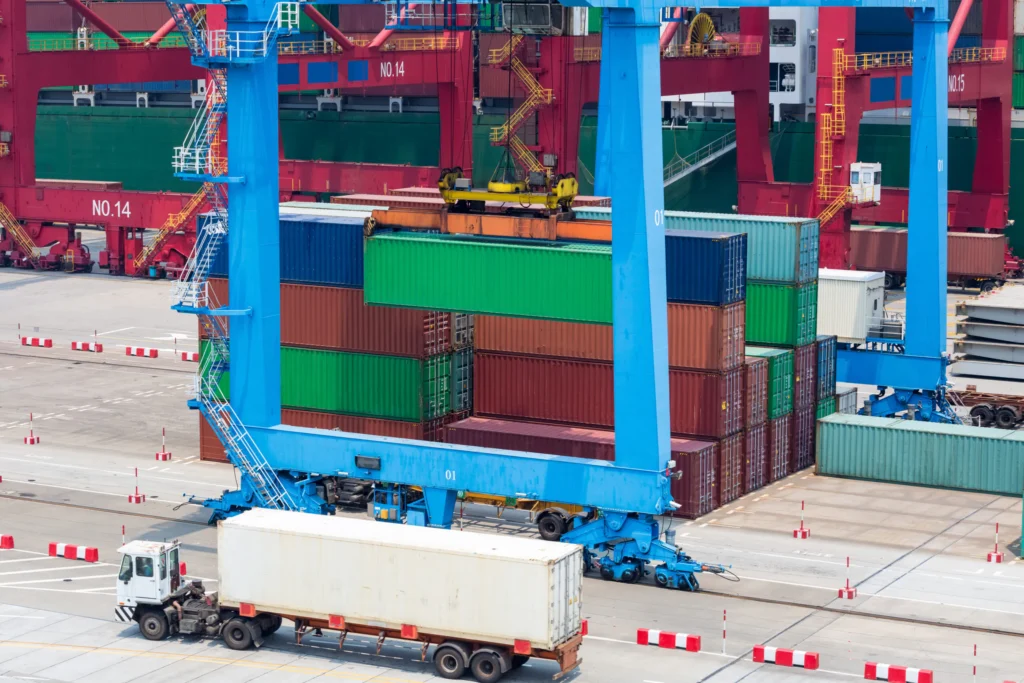
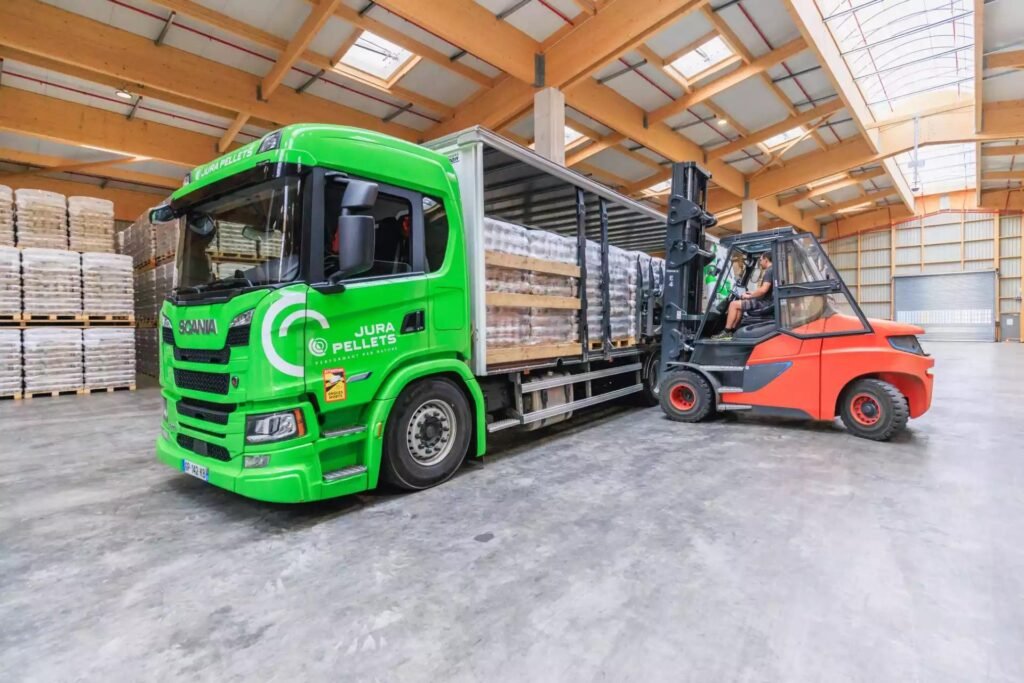
The most suitable delivery method depends on the fuel, order size and destination. Palletised orders may require appropriate vehicle access and unloading arrangements. Bulk systems may require specialist delivery equipment.
Review European shipping and delivery information before placing a large order.
5. Plan repeat orders
For businesses with predictable consumption, a planned procurement schedule can help coordinate deliveries with available storage and seasonal demand. Discuss anticipated quantities and purchasing frequency with your supplier, without assuming that prices, availability or delivery dates will remain fixed.
Why Source Biomass Fuel from EuroFuelSupply?
EuroFuelSupply serves residential customers, businesses, retailers, contractors and wholesale buyers looking for fuel, heating equipment and energy products across supported European markets.
Our product range includes wood pellets, firewood, biomass fuel, briquettes, boilers and other heating solutions. Businesses can contact our team to discuss product specifications, quantities and delivery requirements.
Customers may include:
- Commercial property owners and managers
- Hotels and hospitality operators
- Fuel retailers and resellers
- Agricultural businesses
- Heating contractors and installers
- Distributors and wholesale buyers
- Construction and property-development companies
For bulk purchases, the quotation can be considered according to the required product, quantity, availability, destination and freight arrangements.
Ready to discuss your business’s biomass fuel requirements? Visit our wholesale energy supply page or request a quotation. Include your product requirements, quantity and delivery location to help our team assess your enquiry.
You can also contact EuroFuelSupply directly at sales@eurofuelsupply.com or via WhatsApp on +49 152 17842843.
Frequently Asked Questions About Biomass Heating for Businesses
Is biomass heating suitable for every business?
No. Suitability depends on the building’s heat demand, equipment, fuel access, storage space, installation budget, emissions requirements and local regulations. A professional feasibility assessment is recommended before investing.
What is the best biomass fuel for commercial heating?
There is no single best fuel for every application. Wood pellets, wood chips and briquettes have different characteristics and equipment requirements. The correct choice is the fuel specified for the heating system and available from a dependable supply source.
Can businesses buy biomass fuel in bulk from EuroFuelSupply?
Businesses can enquire about wholesale biomass fuel, wood pellets, briquettes and related heating products. Available quantities, pricing and delivery options depend on the product, stock availability and destination. Submit your requirements through the wholesale supply page.
Does biomass heating reduce business energy costs?
It may do so in some circumstances, but savings are not guaranteed. Results depend on delivered fuel costs, system efficiency, installation expenses, maintenance, labour, storage and the alternative heating technology. Compare the full lifecycle cost before making a decision.
Is biomass heating considered renewable energy?
Wood-based biomass can be classified as renewable under relevant frameworks when applicable conditions are met. However, its climate impact depends on the feedstock, sourcing, processing, transportation, combustion and applicable sustainability criteria. Businesses should verify the rules relevant to their country and project.
Can biomass heating provide hot water as well as space heating?
Yes, some appropriately designed biomass boiler systems can supply both space heating and hot water. The system must be sized and configured for the building’s demand, and the installer should confirm its suitability.
Can EuroFuelSupply arrange delivery across Europe?
Delivery enquiries are welcome from supported European destinations. Available products, shipping methods, charges and delivery timeframes vary by product, order quantity and destination. Check the shipping and delivery page or contact our team for destination-specific information.
How can I request a biomass fuel quotation? Biomass Heating for Businesses
Visit the EuroFuelSupply quote page and provide the product, quantity, delivery country, city or postcode, and your intended use. For commercial or repeat orders, include your estimated purchasing frequency and any technical specifications.
Explore Biomass Heating and Commercial Fuel Supply Across Europe
Choosing biomass heating for a business requires careful planning, suitable equipment and a reliable procurement strategy. By assessing heat demand, comparing fuel types, reviewing storage and delivery requirements, and checking local regulations, businesses can make a more informed decision about their heating options.
EuroFuelSupply helps customers explore heating fuels and commercial energy products for residential, trade and business requirements across supported European markets.
Explore our wood pellets, review wholesale energy products or request a tailored quotation today.
EuroFuelSupply — Fuel, Heating and Energy Products for Homes and Businesses Across Europe.
Biomass Heating for Businesses.