 WATER HEATERS
 Rinnai Water Heaters (Internal & External Installation)
 Caravan Water Heaters
 Commercial Continuous Flow Gas Water Heaters
 Domestic Tankless Multipoint Gas Water Heaters
 Gas Heaters Europe
 Calor Gas Heaters
 Gas Space Heaters
 Warm Air Heaters Europe
 Gas Warm Air Heaters
 Electric Warm Air Heaters
 Boilers Europe
 ATAG Boilers Europe
 Combi Boilers Europe
 System Boilers Europe
 Hot Water Cylinders Europe
 Thermal Store Hot Water Cylinders
 Unvented Hot Water Cylinders
 Vented Hot Water Cylinders
 Commercial Hot Water Cylinders
 Air Conditioning & Air Purification
 Daikin Air Conditioning Europe
 Dehumidifiers Europe
 Humidifiers Europe
 Air purifiers Europe
 Shipping Containers Europe
 High Cube Containers
 Standard Containers (20ft, 40ft)
 Modified / Custom Containers
 Refrigerated Containers
 Storage Containers
 Renewable Energy Europe
 HOME HEATING OIL TANKS
 Bunded Oil Tanks
 AdBlue tanks Europe
 Fire-protected oil tanks Europe
 Fuel Bank Or Fuel Station Oil Tanks
 Single Skinned oil Tanks
 Secure Storage Europe
 Smokeless Coal Europe
 Firewood Europe
 Briquettes & Heat Logs
 WOOD PELLETS

Firewood Moisture Guide
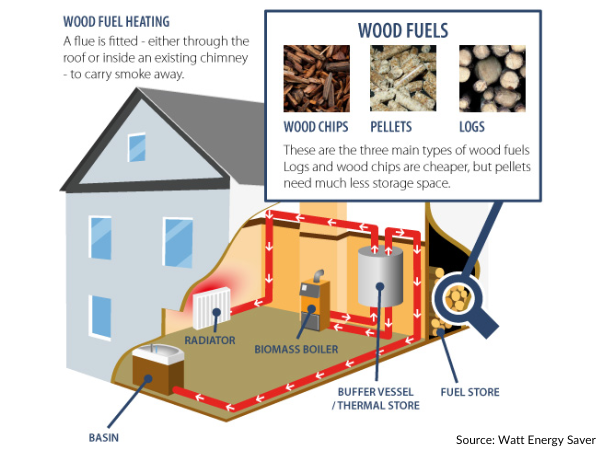
Choosing the right firewood is about more than wood species, log size or price. Moisture content is one of the most important factors affecting how firewood burns, how much useful heat it provides and how cleanly your stove or fireplace operates.
Whether you heat your home with a wood-burning stove, manage a holiday property, run a hospitality business or purchase firewood for resale, understanding moisture content can help you make a more informed buying decision.
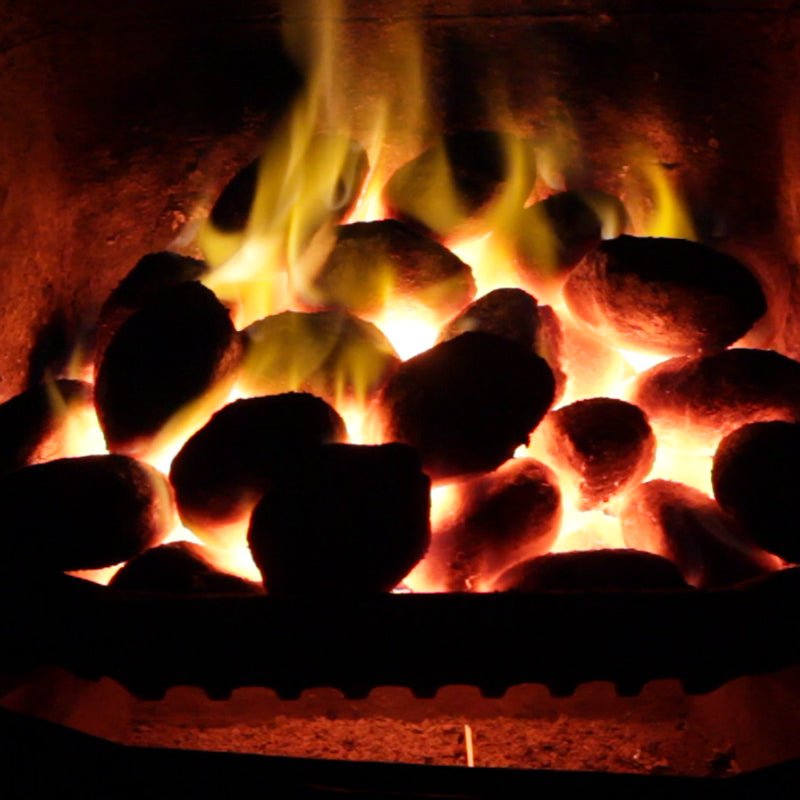
Firewood that contains too much water can be harder to ignite, produce more smoke and deliver less useful heat. Properly dried firewood is generally easier to burn efficiently when used in a suitable, correctly operated appliance.
In this guide, EuroFuelSupply explains how to understand firewood moisture content, compare seasoned and kiln-dried logs, test your firewood and store it correctly. We also explain what buyers should consider when purchasing firewood for residential, commercial and wholesale use across Europe. Firewood Moisture Guide.
If you are looking for heating fuel, explore the Firewood range at EuroFuelSupply or review our wholesale energy products for larger purchasing requirements.
What Is Firewood Moisture Content?
Firewood moisture content describes how much water is present in the wood. It is usually expressed as a percentage of the wood’s total weight, including the water.
Freshly cut wood can contain substantial moisture. After cutting and splitting, it can be dried naturally through seasoning or more rapidly using controlled kiln-drying processes.
As moisture content decreases, the wood generally becomes more suitable for burning in compatible domestic and commercial heating appliances.
Moisture content is important because the fire must use some of its energy to heat and evaporate the water contained in the logs. Excess moisture can therefore reduce the useful heat available to warm a room or building.
For buyers, understanding this measurement is an important step towards choosing appropriate firewood.
What Is the Ideal Moisture Content for Firewood? Firewood Moisture Guide
For many domestic wood-burning applications, firewood with a moisture content of 20% or less is a widely used target. Always follow the instructions for your particular appliance and any applicable local requirements.
In England, the Ready to Burn scheme uses a moisture-content threshold of 20% or less for covered firewood products sold in small volumes. The legal requirements depend on the type and quantity of wood being sold. Other countries may have different rules. See the official UK government guidance on selling wood for domestic use.
A useful general guide is: Firewood Moisture Guide.
| Moisture content | General interpretation |
|---|---|
| Above 40% | Very wet wood; generally needs further drying before use |
| 30–40% | High moisture; usually unsuitable for immediate domestic burning |
| 21–30% | May still be too wet for many domestic applications |
| 20% or less | Common target for ready-to-burn firewood |
| Very low moisture | Not automatically better; follow appliance and fuel guidance |
These ranges are general guidance, not a guarantee of performance. The wood species, measurement method, appliance and storage conditions all matter.
Why Does Firewood Moisture Matter?
Moisture affects several aspects of firewood performance.
1. Heat Output
Wet wood uses energy to evaporate water during combustion. This leaves less energy available as useful heat.
Dryer firewood can therefore provide better heating performance when other conditions are comparable.
2. Ease of Lighting
Firewood with excessive moisture may be harder to ignite and can struggle to establish a steady flame.
Properly dried logs are generally easier to light when used with the correct starting method and adequate airflow.
3. Smoke and Emissions
Burning wet wood can produce more smoke and harmful particulate emissions. The actual emissions depend on the appliance, fuel and operating conditions.
Using appropriate dry firewood and operating the appliance according to the manufacturer’s instructions can help reduce avoidable smoke.
4. Appliance and Chimney Cleanliness
Wet wood and poor combustion can contribute to deposits and maintenance problems. The type and quantity of deposits depend on several factors, including appliance design, fuel quality and operating conditions.
Have chimneys and flues inspected and maintained at the intervals recommended by the relevant professional guidance.
5. Overall Heating Costs
If wet wood delivers less useful heat per load, you may need to burn more fuel to achieve the same level of comfort.
When comparing firewood prices, consider moisture content, quantity, delivered cost and expected performance rather than choosing solely by the advertised price.
Seasoned Firewood vs Kiln-Dried Firewood
Two common terms used when buying firewood are seasoned and kiln-dried. They describe different drying approaches.
What Is Seasoned Firewood?
Seasoned firewood is wood that has been left to dry naturally over time.
The logs are generally cut and split, then stored in conditions that encourage moisture to escape.
The time required depends on factors such as:
- Wood species
- Log thickness
- How the wood is split
- Air circulation
- Local climate
- Rain exposure
- Storage conditions
Seasoning can take many months and, in some cases, longer. The word “seasoned” alone does not guarantee that a log has reached a particular moisture level.
What Is Kiln-Dried Firewood?
Kiln-dried firewood is dried under controlled conditions using a kiln.
This process can reduce moisture more quickly and consistently than natural seasoning when properly managed.
Kiln-dried firewood can be convenient for buyers who need fuel that is ready to use soon after delivery. However, its actual moisture content still depends on the product, packaging and storage conditions after drying.
Which Should You Choose?
Both seasoned and kiln-dried firewood can be suitable when properly dried and compatible with your appliance.
When buying, focus on the stated moisture content, product quality, log size, wood species, packaging and storage history. Do not assume that every product labelled “kiln-dried” or “seasoned” has identical characteristics.
For a convenient purchasing option, browse EuroFuelSupply’s firewood products.
How to Check Firewood Moisture Content
The most reliable practical approach for household buyers is to use a suitable moisture meter designed for firewood.
Step 1: Select a Representative Log
Choose a log from the batch you intend to burn. If the delivery contains different sizes or appears inconsistently dried, check several logs.
Step 2: Split the Log
Split the log to expose a fresh internal surface. The outside can be drier than the centre, so measuring only the outer surface may give a misleading reading.
Step 3: Follow the Meter Instructions
Use the meter according to its manufacturer’s instructions. Check whether it requires calibration or adjustments for wood species or temperature.
Step 4: Take Readings on the Freshly Exposed Surface
Place the meter’s probes as directed by the manufacturer. Where appropriate, take multiple readings from different parts of the exposed surface.
Step 5: Compare the Results
Compare your readings with the recommended moisture level for your appliance and the applicable requirements for the fuel you purchased.
If readings vary significantly, test additional logs before drawing conclusions about the entire delivery.
For further practical guidance, consult the official government advice on storing and checking firewood.
Can You Tell if Firewood Is Dry Without a Moisture Meter? Firewood Moisture Guide
Some visible signs can help you assess firewood, but none reliably confirms moisture content on its own.
Possible clues include:
- Cracks appearing at the ends of logs
- Bark becoming loose
- Logs feeling lighter than freshly cut wood of a similar size
- A more pronounced tapping sound when two dry logs are struck together
- A dry appearance on exposed surfaces
However, a log can look dry on the outside while retaining considerable moisture internally.
If moisture content matters to your purchase, use a suitable moisture meter rather than relying only on appearance or sound.
How Long Does Firewood Take to Dry?
There is no single drying time that applies to every type of firewood.
Natural seasoning can take many months or longer depending on the species, log size, climate and storage conditions. Thicker or unsplit logs generally take longer to dry than smaller, split pieces.
To help firewood dry naturally:
- Split the logs into suitable sizes.
- Stack them to allow air circulation.
- Keep the stack off the ground.
- Protect the wood from rain while leaving the sides open to airflow.
- Avoid tightly covering the entire stack with an impermeable sheet.
- Check moisture content before burning.
The aim is to balance protection from rain with sufficient airflow to allow moisture to escape.
If you need firewood for immediate use, buying a properly dried product may be more practical than relying on freshly delivered wood to dry quickly.
How to Store Firewood After Delivery
Even firewood that arrives dry can absorb moisture if it is stored incorrectly.
Suitable storage helps preserve the condition of the logs between delivery and use.
Keep the Wood Off the Ground
Use a suitable rack, pallet or other stable base to reduce contact with damp soil.
Provide Airflow
Arrange logs so air can circulate around the stack. Avoid packing wood so tightly that airflow is restricted.
Protect the Top
A roof or suitable cover can protect firewood from rain. Where possible, keep the sides open to allow ventilation.
Check the Storage Area
Avoid locations where water collects or where the wood is exposed to persistent dampness.
Inspect Before Burning
If firewood has been stored outdoors for an extended period, check its condition and moisture content before use.
For commercial buyers, storage capacity, stock rotation and protection from weather are particularly important when handling palletised or larger-volume deliveries.
Does Wood Species Affect Firewood Moisture?
Yes, but wood species is only one part of the picture.
Different species have different densities, structures and drying characteristics. Log size, splitting, airflow and storage conditions can also influence how quickly wood dries.
Hardwood and softwood are not interchangeable labels for moisture content. A hardwood log can be wet, and a softwood log can be properly dried.
When comparing firewood, consider both the wood species and the measured moisture content.
You should also consider the intended appliance, the available storage space and the amount of heat you require.
How Much Does Firewood Moisture Affect Price and Value?
Firewood is often sold by bag, crate, pallet, load or volume. These measurements do not always represent the same amount of usable dry fuel.
When comparing two offers, check:
- The quantity and how it is measured
- The wood species
- The stated moisture content
- The log length and approximate size
- Whether the wood is seasoned or kiln-dried
- Packaging and storage condition
- Delivery and unloading charges
A low advertised price may not represent the best value if the logs contain more water or the delivered quantity differs from your expectations.
For a fair comparison, look at the total delivered price and the characteristics of the wood you will actually burn.
Buying Firewood for Homes and Businesses
Different customers have different firewood purchasing requirements.
Homeowners
Homeowners typically need firewood that suits their stove or fireplace, fits their storage area and can be used during the intended heating period.
Holiday Properties and Hospitality Businesses
Hotels, holiday cottages and other hospitality businesses may need predictable product quality, convenient packaging and sufficient stock during busy seasons.
Retailers and Fuel Merchants
Retailers should consider packaging, customer demand, product specifications, storage conditions and local selling requirements.
Commercial and Wholesale Buyers
Businesses buying larger quantities should confirm availability, quantity, delivery access, storage arrangements and the total cost of supply.
EuroFuelSupply supports enquiries for firewood and other heating products. Businesses can explore Wholesale Energy Products Europe for information about commercial and wholesale purchasing options.
Firewood Moisture and Environmental Considerations
Using properly dried firewood can improve combustion compared with burning wet wood, but wood burning still produces emissions.
The environmental impact depends on factors including the source of the wood, forest management, transport, appliance efficiency and combustion conditions.
To use firewood more responsibly:
- Choose fuel from a credible source.
- Burn only fuel suitable for your appliance.
- Follow the appliance manufacturer’s instructions.
- Avoid burning treated, painted or contaminated wood.
- Maintain your stove, chimney and flue appropriately.
- Follow local air-quality and smoke-control requirements.
Where local restrictions limit wood burning, consider the heating options permitted in your area.
Frequently Asked Questions About Firewood Moisture
What moisture content should firewood have?
For many domestic wood-burning applications, 20% moisture content or less is a common target. Always follow your appliance instructions and the applicable rules where you live.
Is kiln-dried firewood always dry enough to burn?
Not automatically. Proper kiln drying can produce low-moisture firewood, but storage and packaging can affect its condition. Check the stated specification and, where necessary, measure the moisture content.
Is seasoned firewood the same as kiln-dried firewood?
No. Seasoned firewood is dried naturally over time, while kiln-dried firewood is dried under controlled conditions. Either can be suitable when properly dried and appropriate for the appliance.
Can I burn firewood with 25% moisture content?
That moisture level is above the commonly used 20% target for many domestic applications. Check your appliance guidance and local requirements, and allow the wood to dry further if necessary.
How can I measure firewood moisture?
Use a suitable firewood moisture meter. For a more representative reading, split a log and measure the freshly exposed internal surface according to the meter manufacturer’s instructions.
Does wet firewood produce more smoke?
Wet firewood can produce more smoke and particulate emissions because moisture can interfere with efficient combustion. The amount depends on the fuel, appliance and operating conditions.
How should I store kiln-dried firewood?
Store it in a dry, well-ventilated area protected from rain and ground moisture. Good storage helps prevent the wood from absorbing moisture after delivery.
Can I buy firewood in bulk from EuroFuelSupply?
EuroFuelSupply welcomes firewood and wholesale enquiries. Availability, order quantities and delivery options depend on the product and destination. Contact the supplier to confirm your requirements.
Choose Suitable Firewood With EuroFuelSupply Firewood Moisture Guide
Understanding firewood moisture content helps you make a better-informed heating fuel purchase.
By checking moisture levels, comparing seasoned and kiln-dried products, storing logs correctly and following your appliance instructions, you can improve the likelihood of getting suitable fuel for your needs.
Whether you are purchasing firewood for your home, a hospitality property, a retail business or a larger commercial requirement, look beyond the advertised price. Consider product specifications, quantity, storage, delivery and suitability for your heating appliance.
Explore the EuroFuelSupply Firewood range or visit Wholesale Energy Products Europe to enquire about larger orders.
For assistance with product availability, delivery or quotations, use the EuroFuelSupply contact page.
EuroFuelSupply — heating fuels and energy products for residential, trade and commercial buyers across supported European markets. Firewood Moisture Guide.