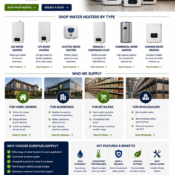
 WATER HEATERS
 Rinnai Water Heaters (Internal & External Installation)
 Caravan Water Heaters
 Commercial Continuous Flow Gas Water Heaters
 Domestic Tankless Multipoint Gas Water Heaters
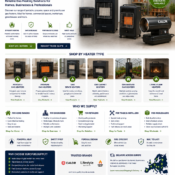 Gas Heaters Europe
 Calor Gas Heaters
 Gas Space Heaters
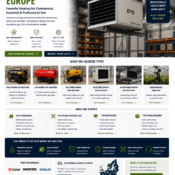 Warm Air Heaters Europe
 Gas Warm Air Heaters
 Electric Warm Air Heaters
 Boilers Europe
 ATAG Boilers Europe
 Combi Boilers Europe
 System Boilers Europe
 Hot Water Cylinders Europe
 Thermal Store Hot Water Cylinders
 Unvented Hot Water Cylinders
 Vented Hot Water Cylinders
 Commercial Hot Water Cylinders
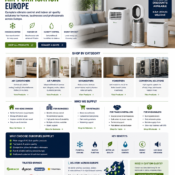 Air Conditioning & Air Purification
 Daikin Air Conditioning Europe
 Dehumidifiers Europe
 Humidifiers Europe
 Air purifiers Europe
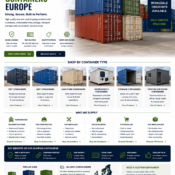 Shipping Containers Europe
 High Cube Containers
 Standard Containers (20ft, 40ft)
 Modified / Custom Containers
 Refrigerated Containers
 Storage Containers
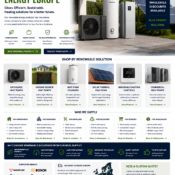 Renewable Energy Europe
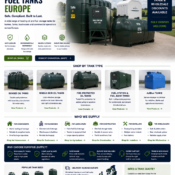 HOME HEATING OIL TANKS
 Bunded Oil Tanks
 AdBlue tanks Europe
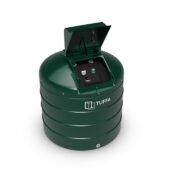 Fire-protected oil tanks Europe
 Fuel Bank Or Fuel Station Oil Tanks
 Single Skinned oil Tanks
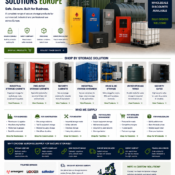 Secure Storage Europe
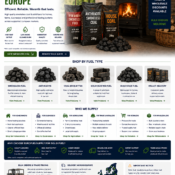 Smokeless Coal Europe
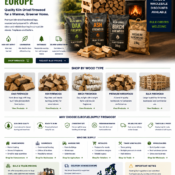 Firewood Europe
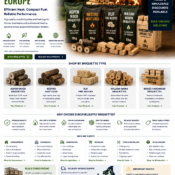 Briquettes & Heat Logs
 WOOD PELLETS

Best Boilers for European Homes
Choosing the best boiler for a European home depends on more than the purchase price. Homeowners need to consider the size of the property, insulation, hot-water demand, available energy sources, local climate, installation costs and long-term running expenses.
From modern gas condensing boilers and oil-fired systems to electric boilers and biomass heating, there are several options for households looking to replace an existing boiler or install a new heating system. The right choice can help provide reliable heating, comfortable hot water and better control over household energy use. Best Boilers for European Homes
At EuroFuelSupply, we help homeowners, landlords, property developers, heating contractors and trade buyers explore boilers, heating equipment and energy products for residential and commercial applications across Europe.
In this guide, we compare the main boiler types, explain what to look for when buying a boiler and show you how to explore suitable heating products through EuroFuelSupply.
What Are the Best Boilers for European Homes?
The best boiler depends on your property’s heating requirements and the energy infrastructure available. A compact apartment may benefit from a combination boiler, while a larger house with multiple bathrooms may need a system boiler and hot-water cylinder. Properties without a suitable gas connection may require an alternative fuel or heating technology.
Here is a quick overview of the main options. Best Boilers for European Homes
| Boiler or heating system | Potentially suitable for | Main consideration |
|---|---|---|
| Gas condensing boiler | Homes with a suitable gas connection | Gas availability, efficiency and local regulations |
| Oil-fired boiler | Properties using heating oil, often outside urban gas networks | Fuel storage, servicing and emissions requirements |
| Electric boiler | Smaller properties or buildings with specific installation constraints | Electricity tariffs and available electrical capacity |
| Biomass boiler | Homes with suitable equipment, fuel storage and biomass access | Fuel handling, maintenance and storage space |
| System boiler | Homes with higher hot-water demand | Requires a compatible hot-water cylinder |
| Combination boiler | Many apartments and smaller to medium-sized homes | Simultaneous hot-water demand and water pressure |
| Heat pump | Properties suitable for low-temperature heating | Installation design, insulation and local electricity economics |
These categories overlap: for example, a system or combination boiler may also be a gas condensing model. A qualified heating professional should assess the property before recommending a particular system.
1. Gas Condensing Boilers: An Option for Homes With Gas Access
Gas condensing boilers remain an option for properties connected to a suitable gas network. They recover additional heat from combustion gases that would otherwise be lost through the flue, improving efficiency compared with older conventional boiler designs.
Advantages of gas condensing boilers
- Can provide central heating and domestic hot water.
- Available in combination, system and heat-only configurations.
- May integrate with existing radiators and heating pipework.
- Condensing operation can improve fuel utilisation.
- Many models offer compact designs for residential installations.
What should homeowners consider?
Gas boilers require a suitable gas supply, compliant installation and regular maintenance. Running costs depend on local gas tariffs, system efficiency, insulation and how the household uses heating and hot water.
European countries also have different building regulations, energy policies and rules affecting new fossil-fuel heating installations. Before purchasing, check the requirements that apply to your property and installation date.
Best suited to: Homes where gas heating is permitted, a suitable gas connection exists and the overall cost comparison supports retaining or installing a gas system.
Explore the EuroFuelSupply boiler category to review available heating equipment.
2. Oil-Fired Boilers: An Option for Properties Without Mains Gas
Oil-fired boilers are used in some European homes, particularly rural properties where mains gas is unavailable and an existing oil-heating infrastructure is already in place.
Modern oil boilers can provide central heating and hot water, depending on their configuration. Some models are designed for use with an existing hot-water cylinder, while others form part of a broader system.
Benefits of oil-fired boilers
- Can serve properties without mains gas.
- May be suitable for existing radiator-based heating systems.
- Available in different capacities for varying residential needs.
- Can integrate with suitable hot-water storage arrangements.
Important purchasing considerations
Before selecting an oil boiler, consider the cost and availability of heating oil, the condition of the existing tank, delivery access, servicing requirements and applicable environmental rules.
Oil-fired systems also require appropriate combustion equipment, flues and fuel storage. A professional installer should check the complete installation rather than sizing the boiler from floor area alone.
Best suited to: Certain rural homes and existing oil-heated properties where the installation remains permitted and the overall economics are appropriate.
3. Electric Boilers: Compact Heating Without On-Site Fuel Combustion
Electric boilers use electricity to heat water for a central heating system. They do not burn gas or oil at the property, so they do not require a combustion flue for the boiler itself.
Their suitability depends heavily on the property’s heating demand, the electrical supply and local electricity prices.
Potential advantages
- No on-site gas or oil combustion.
- Compact installation options.
- No fuel tank or on-site solid-fuel storage.
- May suit certain smaller homes, apartments or properties where other heating systems are impractical.
What are the limitations?
Electric boilers can have relatively high operating costs in locations where electricity is expensive compared with alternative heating fuels. The required electrical capacity should also be checked, particularly for homes with high heat demand.
An electric boiler should not be confused with an electric heat pump. A heat pump moves heat from the outdoor environment or another source, while a conventional electric boiler uses electricity directly to produce heat. Their energy consumption and operating economics can therefore differ substantially.
Best suited to: Properties with suitable electrical capacity and a heating demand or tariff structure that makes direct electric heating a reasonable choice.
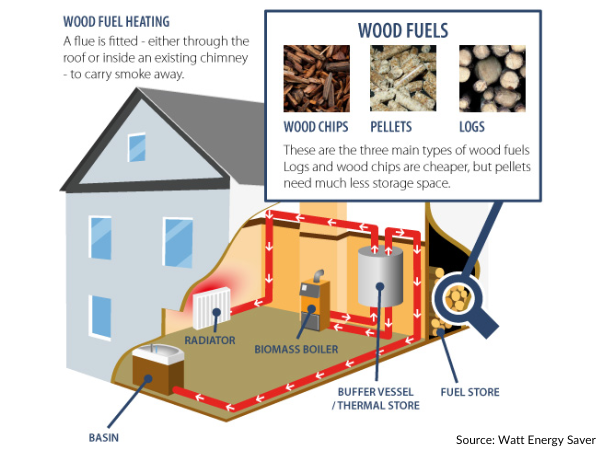
4. Biomass Boilers: Heating With Wood-Based Fuels
Biomass boilers produce heat using suitable organic fuels, such as specified wood pellets or wood chips. Certain systems can also use other approved biomass fuels, depending on the manufacturer’s design.
For homeowners considering an alternative to conventional fossil fuels, biomass can be worth assessing where fuel supply, storage and maintenance arrangements are practical.
Advantages of biomass heating
- Can use compatible wood-based fuels.
- May be suitable for homes with regular heating requirements.
- Can form part of a wider renewable-energy strategy when fuel is sourced and used appropriately.
- Offers an alternative for some properties with suitable space and equipment.
What should you check before buying? Best Boilers for European Homes
Biomass systems typically need more attention to fuel storage and handling than many conventional residential boilers. Depending on the equipment, homeowners may need a pellet store, feed mechanism, ash-removal arrangements and access for fuel deliveries.
The environmental performance of biomass depends on the fuel source, supply chain, combustion performance and applicable sustainability rules. Businesses and households should also check local emissions and installation requirements.
EuroFuelSupply offers products in several relevant categories, including wood pellets and firewood for suitable heating applications. Always verify that the selected fuel is approved for your particular appliance; firewood, pellets and briquettes are not interchangeable in every system.
Best suited to: Properties with suitable biomass equipment, sufficient storage space, a practical fuel supply and a well-planned maintenance arrangement.
5. Combination Boilers: Heating and Hot Water in One Unit
A combination boiler, often called a combi boiler, provides central heating and domestic hot water from one appliance without requiring a separate hot-water storage cylinder in a typical installation.
This arrangement can save space, which makes it attractive for many apartments and smaller houses.
Why choose a combination boiler?
- Compact system design.
- Hot water is produced on demand.
- No separate domestic hot-water cylinder is normally required.
- Can simplify installation where the existing system is compatible.
Are combi boilers suitable for every home?
Not always. A household with several bathrooms may regularly need hot water at multiple outlets simultaneously. The boiler’s hot-water output and the property’s incoming water pressure can limit performance.
Before purchasing, consider the number of bathrooms, shower requirements, household size and whether simultaneous hot-water use is common.
Best suited to: Homes where space is limited and the boiler can comfortably meet the property’s heating and hot-water requirements.
6. System Boilers: A Practical Choice for Higher Hot-Water Demand
A system boiler works with a separate hot-water cylinder. This arrangement can be suitable for homes where several people use hot water or multiple bathrooms may be in operation at the same time.
Compared with a typical combi system, a stored hot-water arrangement can provide a useful reserve of heated water. However, the cylinder needs appropriate space and must be sized correctly.
Main benefits
- Suitable for many larger households.
- Can support multiple hot-water outlets, depending on cylinder size and system design.
- Can work with compatible heating controls and radiator systems.
- May suit homes already equipped with a hot-water cylinder.
What to consider
The cylinder occupies space and introduces heat-storage losses. The system must be configured correctly to meet the household’s hot-water demand, and the boiler output should match the heating load.
Best suited to: Medium-sized and larger homes with higher hot-water requirements and enough space for a cylinder.
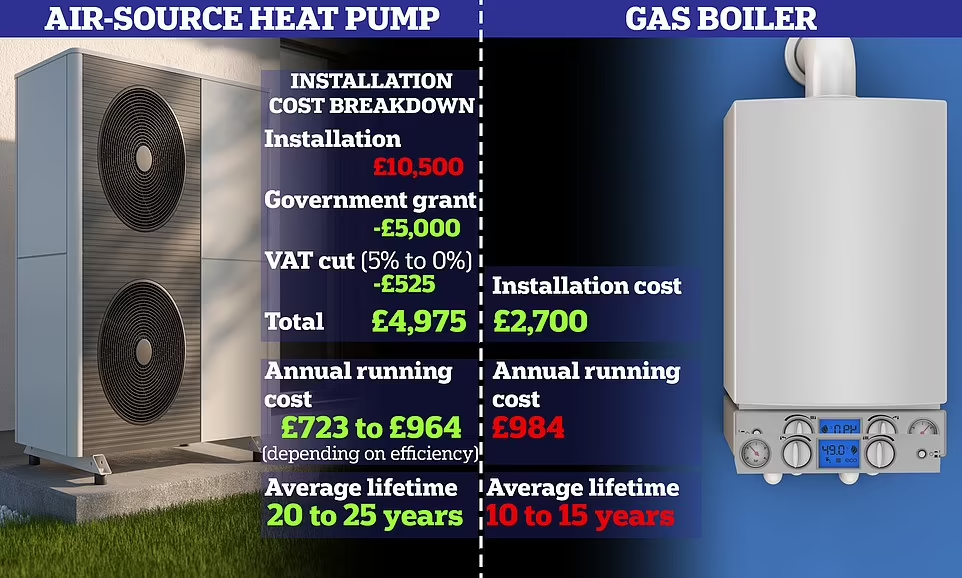
7. Heat Pumps: An Alternative Worth Comparing With Boilers
Although a heat pump is not a conventional boiler, homeowners comparing heating systems should consider it where suitable. Air-source and ground-source heat pumps transfer heat rather than generating all their heat through fuel combustion or direct electrical resistance.
The European Commission explains that heat pumps can be substantially more energy-efficient than traditional boilers because they transfer environmental heat into the building. Actual performance depends on the equipment, climate, installation and heating system. See the European Commission’s heat pump information.
Potential advantages
- Can provide efficient space heating when correctly designed.
- Some systems can also provide domestic hot water.
- Air-to-air heat pumps may offer cooling as well as heating.
- Can support lower-emission heating when powered by lower-carbon electricity.
What should homeowners assess?
Heat pumps can require a higher initial investment and may involve changes to radiators, pipework, hot-water storage or electrical infrastructure. A home’s insulation and required water temperatures are important factors.
In colder climates, equipment selection and professional design are particularly important. A heat pump can operate in cold weather, but the required capacity and operating costs depend on local conditions.
Best suited to: Homes where the building, heating distribution system, installation budget and local energy prices support a heat-pump solution.
How to Choose the Right Boiler for Your Home
The best boiler for a home in Germany may not be the best choice for a house in Spain, Sweden, France or Ireland. Climate, energy tariffs, regulations, property design and fuel infrastructure differ across Europe.
Use the following steps to narrow your options.
Step 1: Assess the property’s heat demand
The correct boiler output depends on the building’s heat loss, insulation, windows, air leakage, location and desired indoor temperatures.
Avoid selecting a boiler purely by the number of bedrooms or the property’s floor area. Ask a qualified installer to perform a suitable heat-loss calculation and consider domestic hot-water requirements separately.
Step 2: Identify your available energy sources
Check whether the property has access to natural gas, a suitable electrical supply, heating oil infrastructure or practical biomass fuel storage.
Your available options may be restricted by the building and local regulations. Where fossil-fuel installations are subject to restrictions, check the current rules before ordering equipment.
Step 3: Match the boiler type to your household
Consider how many people live in the property, how many bathrooms it has and whether multiple showers or taps are commonly used at the same time.
A compact home may benefit from a combi boiler, while a larger household may need a cylinder-based system or a different heating technology.
Step 4: Compare energy efficiency and running costs
Look beyond the headline efficiency figure. Consider the energy tariff, seasonal performance, system controls, hot-water demand, maintenance and how the equipment performs at the temperatures your home requires.
Where available, check the product’s energy label and technical documentation. The European Commission provides information about space-heater energy efficiency and product requirements.
Step 5: Check installation requirements
Confirm the flue or exhaust arrangement, ventilation, condensate drainage where applicable, pipework, electrical requirements, fuel storage and access for servicing.
For replacement projects, ask the installer to assess the existing heating system. A new boiler may not perform as expected if the system is poorly balanced, incorrectly controlled or unsuitable for its operating temperatures.
Step 6: Calculate the total cost of ownership
Compare the purchase price, installation work, fuel or electricity costs, annual servicing, repairs and expected equipment lifespan.
Also review applicable grants, taxes, subsidies and local regulations. These can differ significantly between European countries and may change over time.
Best Boiler Brands to Consider in Europe
Brand selection should follow the technical requirements of the property rather than precede them. Availability, authorised service support, warranty conditions and the suitability of a model for the destination country are all important.
EuroFuelSupply’s wider boiler range includes products from manufacturers such as Viessmann, Worcester Bosch, Vaillant, Keston, Firebird, Grant, Warmflow, Mistral and ACV. Specific models serve different purposes, and availability may vary.
When comparing a brand or model, check:
- Whether the model is suitable for your country and fuel type.
- Heating output and domestic hot-water performance.
- Seasonal efficiency and applicable product documentation.
- Compatibility with your existing radiators, cylinder and controls.
- Warranty terms and local service arrangements.
- Replacement parts and maintenance support.
- Applicable installation and safety requirements.
You can browse the EuroFuelSupply boilers category to explore available equipment. Confirm the exact model specification, intended application and local suitability before placing an order.
Why Buy Boilers From EuroFuelSupply? Best Boilers for European Homes
EuroFuelSupply helps homeowners, landlords, property developers, installers and trade buyers explore heating equipment and energy products for different residential and commercial requirements.
Our wider range includes boilers, hot-water equipment, wood pellets, firewood, briquettes and other heating products. Whether you are replacing a domestic boiler, sourcing equipment for a property project or investigating products for a trade order, our team can review your enquiry.
Customers can contact us about:
- Residential boiler requirements.
- Heating equipment for renovation projects.
- Multiple-unit or trade purchasing enquiries.
- Technical product specifications.
- Product availability and destination-specific delivery.
- Quotations for suitable heating products.
Availability, pricing, shipping arrangements and product suitability depend on the model, quantity and destination.
To discuss your requirements, visit our boiler category, explore wholesale heating and energy products across Europe or request a quotation.
You can also contact EuroFuelSupply at sales@eurofuelsupply.com or WhatsApp +49 152 17842843.
Frequently Asked Questions About the Best Boilers for European Homes
What is the best boiler for a typical European home?
There is no single best boiler for every European home. The right option depends on local regulations, available fuels, heat demand, insulation, hot-water use and installation costs. A qualified heating professional can assess these factors and recommend suitable options.
Which boiler is best for a small apartment?
A combination boiler may suit a small apartment with limited space and moderate hot-water demand, provided the property has a suitable fuel supply and installation. An electric boiler or heat pump may be appropriate in other circumstances.
Which boiler is best for a large family home?
A system boiler with a suitably sized hot-water cylinder may suit a larger household with multiple bathrooms. However, the correct choice depends on the property’s heat loss, hot-water demand and available heating infrastructure.
Are condensing boilers more efficient than older boilers?
Modern condensing boilers recover additional heat from combustion gases, which can improve efficiency compared with older conventional designs. Actual performance depends on the appliance, controls, operating temperatures, maintenance and heating-system design.
Are electric boilers cheaper to run than gas boilers?
Not necessarily. Direct electric boilers can have higher running costs where electricity is expensive relative to gas. The answer depends on local tariffs, system efficiency, heat demand and installation costs. Heat pumps should be compared separately because they transfer heat rather than producing it entirely through direct electrical resistance.
Is a biomass boiler suitable for a European home?
A biomass boiler can suit a property with compatible equipment, suitable storage and dependable access to the required fuel. Homeowners should also consider maintenance, ash handling, emissions requirements and the sustainability of the fuel supply.
What boiler size do I need for my house?
Boiler size should be determined by a heat-loss calculation and the household’s hot-water requirements. Choosing an oversized unit based only on floor area can lead to unnecessary expense and less efficient operation.
Can I buy boilers from EuroFuelSupply for delivery in Europe?
You can enquire about available boiler models and destination-specific delivery options. Availability, transport costs, product suitability and delivery timeframes depend on the selected product and destination. Contact our team with the model, quantity and delivery location for confirmation.
Find the Right Boiler for Your European Home
Choosing the best boiler involves balancing comfort, efficiency, installation requirements and long-term costs. Gas condensing boilers, oil-fired systems, electric boilers, biomass boilers, combination boilers, system boilers and heat pumps each have a role in the right circumstances.
Start by assessing your home’s heat demand, available energy sources and local requirements. Then compare compatible equipment using technical specifications, product documentation and a professional installation assessment.
Ready to explore heating equipment? Browse boilers at EuroFuelSupply, discover our wholesale energy products for Europe or request a quotation.
EuroFuelSupply — Heating and Energy Products for Homes, Trade Buyers and Businesses Across Europe.
Best Boilers for European Homes