 WATER HEATERS
 Rinnai Water Heaters (Internal & External Installation)
 Caravan Water Heaters
 Commercial Continuous Flow Gas Water Heaters
 Domestic Tankless Multipoint Gas Water Heaters
 Gas Heaters Europe
 Calor Gas Heaters
 Gas Space Heaters
 Warm Air Heaters Europe
 Gas Warm Air Heaters
 Electric Warm Air Heaters
 Boilers Europe
 ATAG Boilers Europe
 Combi Boilers Europe
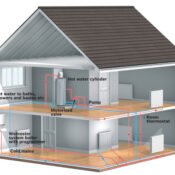 System Boilers Europe
 Hot Water Cylinders Europe
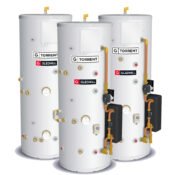 Thermal Store Hot Water Cylinders
 Unvented Hot Water Cylinders
 Vented Hot Water Cylinders
 Commercial Hot Water Cylinders
 Air Conditioning & Air Purification
 Daikin Air Conditioning Europe
 Dehumidifiers Europe
 Humidifiers Europe
 Air purifiers Europe
 Shipping Containers Europe
 High Cube Containers
 Standard Containers (20ft, 40ft)
 Modified / Custom Containers
 Refrigerated Containers
 Storage Containers
 Renewable Energy Europe
 HOME HEATING OIL TANKS
 Bunded Oil Tanks
 AdBlue tanks Europe
 Fire-protected oil tanks Europe
 Fuel Bank Or Fuel Station Oil Tanks
 Single Skinned oil Tanks
 Secure Storage Europe
 Smokeless Coal Europe
 Firewood Europe
 Briquettes & Heat Logs
 WOOD PELLETS

Heat Pumps vs Gas Boilers
Choosing between heat pumps and gas boilers is an important decision for European homeowners planning a new heating system or replacing an older boiler. Both technologies can provide comfortable indoor temperatures and domestic hot water, but they work differently and have different installation requirements, running costs and environmental impacts.
A heat pump transfers heat from the outside air or ground into your home, while a gas boiler burns natural gas to heat water for radiators, underfloor heating or hot-water systems. Which option offers the best value depends on your property, climate, insulation, electricity and gas prices, and the heating equipment already installed.
For homeowners in Germany, France, the Netherlands, Belgium, Ireland, Spain, Italy and other European markets, understanding these differences can help narrow the available options before requesting a quotation.
At EuroFuelSupply, we help homeowners, landlords, property developers, heating contractors and trade buyers explore heating equipment and energy products for residential and commercial applications.
This guide compares heat pumps vs gas boilers to help you evaluate efficiency, installation costs, running expenses, environmental impact and the best heating option for your property.
Heat Pumps vs Gas Boilers: What Is the Difference?
A heat pump and a gas boiler can both heat your home, but they use different energy sources and technologies.
How does a heat pump work?
An air-source heat pump extracts heat from outdoor air and transfers it into the property. Ground-source heat pumps collect heat from the ground using a suitable buried pipework system.
The system uses electricity to operate a compressor and other components. Because it transfers heat rather than producing all its heat through direct electrical resistance, it can deliver several units of heat for each unit of electricity consumed under suitable operating conditions.
Heat pumps can work with underfloor heating, appropriately sized radiators and other compatible heat distribution systems. Some models can also provide cooling.
How does a gas boiler work?
A gas boiler burns natural gas to heat water. The heated water circulates through radiators or underfloor heating, while a suitable boiler configuration can also provide domestic hot water.
Modern condensing gas boilers recover additional heat from combustion gases to improve efficiency compared with older boiler designs.
Gas boilers are familiar to many European households and may be relatively straightforward to replace where a suitable gas connection and compatible heating infrastructure already exist. However, the availability and legality of new gas installations vary by country and can change over time.
Heat Pumps vs Gas Boilers: Quick Comparison
| Feature | Heat pump | Gas boiler |
|---|---|---|
| Main energy source | Electricity and environmental heat | Natural gas |
| How heat is produced | Transfers heat from outside | Burns gas to heat water |
| Energy efficiency | Can deliver multiple units of heat per unit of electricity | Modern condensing models can operate at high efficiency |
| Installation | May require outdoor space and system modifications | May use existing gas supply and heating infrastructure |
| Running costs | Depend on electricity prices and seasonal performance | Depend on gas prices and boiler efficiency |
| Hot water | May require a cylinder, depending on the system | Combi models provide hot water on demand; other systems may use a cylinder |
| Environmental impact | No on-site combustion; lifecycle impact depends on electricity and refrigerant | Produces on-site combustion emissions |
| Cooling capability | Available with certain models | Conventional boilers do not provide cooling |
| Maintenance | Requires specialist inspection and servicing | Requires boiler servicing and combustion safety checks |
| Best fit | Properties suited to low-temperature heating and efficient operation | Properties where gas remains suitable and permitted |
Neither option is automatically best for every home. A proper comparison should consider the complete installation, household heat demand and local energy tariffs.
1. Energy Efficiency: Which Heating System Performs Better?
Efficiency is one of the most important differences between heat pumps and gas boilers.
Heat pump efficiency
Heat pump performance is commonly described using a coefficient of performance, or COP. A COP of 3 means the system delivers three units of heat for each unit of electricity consumed under the specified test or operating conditions.
However, the COP at a particular moment is not the same as seasonal performance. Outdoor temperatures, water temperatures, defrost cycles, installation quality and system controls affect real-world efficiency.
When comparing heat pumps, look for seasonal performance information, including the relevant seasonal coefficient of performance or seasonal space-heating efficiency figures in the product documentation.
Gas boiler efficiency
Modern condensing gas boilers can recover additional heat from exhaust gases, improving fuel utilisation. Their actual performance depends on the model, operating temperatures, boiler controls, maintenance and how well the system is designed.
A boiler operating with appropriately low return-water temperatures may condense more effectively than one operating continuously at higher temperatures.
Which is more efficient?
Heat pumps often deliver more heat per unit of purchased energy than direct fuel combustion because they transfer environmental heat into the home. However, comparing a heat pump’s COP directly with a boiler’s combustion efficiency does not tell the entire financial story.
For running costs, compare the useful heat delivered against the electricity or gas consumed, using realistic seasonal performance and local tariffs.
2. Heat Pump vs Gas Boiler Running Costs
Running costs are a major concern for households comparing heating systems across Europe. However, there is no single answer that applies to every country because electricity and gas prices vary by market and tariff.
The following calculation can help estimate the cost of producing a unit of useful heat.
Estimating heat pump running costs
A simplified calculation is:
Cost per unit of heat = electricity price ÷ seasonal heat pump performance
For example, if electricity costs €0.25 per kWh and a heat pump achieves a seasonal performance factor of 3, the estimated electricity cost is approximately €0.083 per kWh of heat delivered.
This is an illustrative calculation, not a prediction of any particular household’s bill. It excludes installation, maintenance, standing charges and other costs.
Estimating gas boiler running costs
For a gas boiler, a simplified calculation is:
Cost per unit of heat = gas price ÷ seasonal boiler efficiency
For example, if gas costs €0.10 per kWh and the boiler achieves 90% seasonal efficiency, the estimated fuel cost is approximately €0.111 per kWh of useful heat.
These example prices are hypothetical and are not current tariffs for any particular European country.
How to compare the two systems fairly
To estimate your own costs, you need:
- Your electricity price per kWh.
- Your gas price per kWh.
- A realistic seasonal heat pump performance estimate.
- The expected seasonal efficiency of the gas boiler.
- Your property’s annual heating demand.
- Any relevant changes to maintenance and standing charges.
You should also account for the cost of producing domestic hot water. Some homes use a heat pump for space heating and hot water, while others retain a separate hot-water system.
The most useful comparison is the estimated annual cost of meeting the same heating and hot-water demand under each system.
3. Installation Costs: Heat Pumps vs Gas Boilers
The initial installation cost can significantly influence a homeowner’s decision.
Heat pump installation costs
Installing a heat pump may involve more than purchasing the outdoor unit and indoor equipment. Depending on the property, additional work can include:
- Outdoor unit positioning and mounting.
- Pipework and electrical upgrades.
- A hot-water cylinder and associated controls.
- Larger radiators or underfloor heating modifications.
- Insulation improvements.
- Groundworks for a ground-source system.
- Removal or decommissioning of the old heating system.
The final price depends on the system type, property layout, local labour costs and the amount of work required.
Gas boiler installation costs
Replacing a gas boiler may be less disruptive when the home already has a suitable gas supply, radiators and compatible pipework. However, the installation can become more expensive if the flue, gas pipework, controls, condensate drainage or wider heating system requires modification.
The cost also depends on whether the home needs a combination boiler, system boiler or heat-only boiler with a separate hot-water cylinder.
Which system is cheaper to install?
A straightforward gas boiler replacement may have a lower upfront cost than a complete heat pump installation. Nevertheless, this is not guaranteed for every property.
Request itemised quotations for both systems where both are technically and legally suitable. Compare equipment, installation, electrical work, controls, hot-water arrangements, commissioning and any necessary upgrades.
Check current national or regional grant schemes before making a decision, because eligibility and funding conditions differ across Europe.
4. Environmental Impact: Heat Pumps vs Gas Boilers
Environmental performance is increasingly important to European households and property owners.
Heat pumps and emissions
Heat pumps do not burn fuel at the property to generate heat. Their operational emissions are associated primarily with the electricity they consume and, where relevant, refrigerant leakage.
Their overall carbon impact depends on the electricity mix, seasonal efficiency, refrigerant choice, equipment lifespan and manufacturing and installation impacts.
A heat pump powered by relatively low-carbon electricity can offer substantial emissions advantages over a gas boiler, although the exact difference depends on the location and system.
Gas boilers and emissions
Gas boilers produce carbon dioxide when burning natural gas. Their wider environmental impact also includes emissions associated with fuel extraction, processing and transportation.
Modern condensing models can use fuel more efficiently than older boilers, but they remain combustion-based systems.
What does this mean for European homeowners?
Households planning a long-term heating upgrade should assess current building regulations, national energy policies and the expected future energy supply.
For further background, the European Commission provides information about heat pumps and their role in energy efficiency.
Environmental performance should be assessed using realistic operating data rather than assuming that every heat pump installation delivers identical savings.
5. Which System Is Better for Older European Homes?
Older homes can present additional challenges because of insulation levels, radiator sizing, air leakage and higher heating-water temperatures.
Heat pumps in older properties
Heat pumps can work in older homes, but the building and heating system need to be assessed carefully. Properties with high heat losses may need insulation improvements, draught reduction or larger radiators to achieve comfortable indoor temperatures at lower water temperatures.
A qualified installer should calculate the building’s heat loss and establish the required heating-water temperature before specifying equipment.
Some older homes may be suitable for a heat pump without major renovations, while others may require significant improvements.
Gas boilers in older properties
A gas boiler may be easier to integrate into an existing radiator system, particularly if the property already has a gas connection and the existing equipment is being replaced.
However, retaining a gas boiler does not remove the need to assess insulation, system controls and heating efficiency. Local regulations may also limit the installation of new fossil-fuel heating equipment.
Which is the better option?
Do not rule out a heat pump simply because a house is old. Equally, do not assume that a heat pump is automatically the most practical solution without checking the building.
Compare both options through a property-specific assessment that includes heat loss, operating temperatures, installation requirements and local rules.
6. Heat Pumps vs Gas Boilers in Cold European Climates
Countries in northern and central Europe can experience long, cold winters, making heating-system performance particularly important.
Modern heat pumps are designed to operate in a range of outdoor conditions, including cold weather. However, their efficiency and available heat output can decline as outdoor temperatures fall, depending on the model and operating conditions.
When choosing a heat pump for a colder climate, consider:
- The manufacturer’s specified operating temperature range.
- Heat output at the expected winter design temperature.
- Seasonal performance in a relevant climate.
- Defrost operation and condensate management.
- Backup or supplementary heating requirements.
- Hot-water production and recovery time.
Gas boilers can provide high heating-water temperatures and may integrate readily with existing radiator systems. However, gas availability, running costs and regulations remain important considerations.
For homes in colder regions, ask installers to assess the system’s performance at the local winter design temperature rather than relying only on headline efficiency figures.
7. Hot Water: Which System Is Better for Your Household?
Space heating is only part of a home’s energy demand. Domestic hot water can be especially important in larger households with several bathrooms.
Heat pumps and hot water
Many heat pump installations use a hot-water cylinder to store water heated by the system. Cylinder size, heating capacity and recovery time should match the household’s needs.
Some systems use different arrangements, so confirm the manufacturer’s design and whether any supplementary heating is required.
Gas boilers and hot water
A combination gas boiler heats domestic hot water on demand and usually does not need a separate hot-water cylinder. This can save space, although performance depends on the boiler’s hot-water output and incoming water conditions.
System and heat-only boilers typically work with a separate cylinder, which can support higher simultaneous hot-water demand when correctly sized.
Which should you choose?
For small households with limited space, a suitable combi boiler may be convenient where gas heating is permitted. Larger families may prefer a cylinder-based arrangement, whether paired with a heat pump or a compatible boiler.
The correct choice depends on bathroom numbers, household routines, storage space and the desired hot-water performance.
8. Maintenance and Lifespan
Both technologies require proper installation and maintenance. Neither should be considered maintenance-free.
Heat pump maintenance
Heat pump maintenance may include inspecting the outdoor unit, checking system pressure and water quality where applicable, cleaning filters, testing controls and examining refrigerant-related components as required by the manufacturer and local rules.
The outdoor unit needs adequate airflow and access for servicing. Leaves, snow and other obstructions should be managed in accordance with the manufacturer’s guidance.
Gas boiler maintenance
Gas boiler servicing typically includes checks of combustion, safety controls, flue arrangements, condensate drainage and other components as specified by the manufacturer.
Gas appliances must be installed and maintained by appropriately qualified professionals under the relevant local rules.
Which system lasts longer?
Lifespan varies with equipment quality, operating conditions, maintenance and installation standards. Avoid relying on a single lifespan figure when comparing products.
Ask suppliers and installers about warranty conditions, service requirements, replacement parts and the availability of local technical support.
9. Heat Pumps vs Gas Boilers: Which Is Best for Different European Markets?
Europe is not a single heating market. Climate, energy prices, building types, available infrastructure and government regulations vary significantly by country and region.
Germany, France and the Netherlands
Homeowners should review national and local rules affecting new heating installations, available grants, electricity and gas tariffs, and the compatibility of their existing heating systems.
A heat pump may be attractive for suitable homes, but the financial case depends on the individual property and installation.
Ireland and the United Kingdom
Insulation, heating demand, electricity and gas prices, and the condition of existing radiator systems are important considerations. Homeowners should also check current national building requirements and grant eligibility.
Spain and Italy
Climate varies considerably between coastal areas, inland locations and mountainous regions. Some properties have substantial heating requirements in winter, while others may benefit from equipment capable of providing both heating and cooling.
Local building design and summer comfort requirements can therefore influence the choice.
Nordic and colder continental regions
Cold-weather heat pump performance, heating capacity at low temperatures, hot-water demand and backup arrangements deserve particular attention. Equipment should be selected for the property’s actual winter design conditions.
Across all these markets, confirm the rules applicable to your specific country and property before purchasing heating equipment.
10. How to Choose the Right Heating System for Your Home
Before deciding between a heat pump and a gas boiler, follow these practical steps.
Step 1: Calculate your heating demand. Ask a qualified professional to assess heat loss, insulation, radiator capacity and hot-water requirements.
Step 2: Check the local rules. Confirm whether a new gas boiler is permitted and whether heat pump grants or other incentives are available.
Step 3: Compare realistic annual costs. Use local energy tariffs and realistic seasonal performance rather than headline efficiency ratings alone.
Step 4: Assess installation work. Find out whether you need larger radiators, new pipework, a hot-water cylinder, electrical upgrades or other changes.
Step 5: Compare complete quotations. Include equipment, installation, commissioning, maintenance and any required building improvements.
Step 6: Check product availability and support. Confirm that the model is suitable for your destination market and that installation, servicing and spare parts are accessible.
EuroFuelSupply can help you explore available heating products and discuss your equipment requirements. Browse our boiler category or visit our wholesale energy products page to explore relevant product and supply options.
Why Explore Heating Products at EuroFuelSupply?
EuroFuelSupply serves homeowners, trade customers, property developers, heating contractors and wholesale buyers looking for heating equipment and energy products across supported European markets.
Our range includes boilers, wood pellets, firewood, briquettes and other heating products. If you are comparing heating technologies for a home, rental property, renovation project or multiple-unit development, you can contact our team to enquire about relevant equipment and supply arrangements.
When making an enquiry, provide:
- Your country and delivery location.
- The product or heating equipment you are considering.
- The model or technical specification, if known.
- The required quantity.
- Your preferred delivery timeframe.
- Any relevant project or installation requirements.
Availability, pricing, delivery options and product suitability depend on the specific product and destination.
To discuss your requirements, visit the EuroFuelSupply boiler category, explore wholesale energy products across Europe or request a quotation.
You can also email sales@eurofuelsupply.com or contact us on WhatsApp at +49 152 17842843.
Frequently Asked Questions About Heat Pumps vs Gas Boilers
Are heat pumps better than gas boilers?
Heat pumps can be more energy-efficient and can reduce operational emissions when installed appropriately and powered by relatively low-carbon electricity. However, the best option depends on local energy prices, installation costs, building performance and local regulations.
Are heat pumps cheaper to run than gas boilers?
They can be, but savings are not guaranteed. A heat pump’s running costs depend on electricity prices and seasonal performance, while gas boiler costs depend on gas prices and seasonal efficiency. Compare both systems using local tariffs and the same estimated heat demand.
Do heat pumps work in winter?
Yes. Modern heat pumps can operate in cold weather, although their performance and heat output depend on outdoor temperatures and the equipment design. Homes in colder climates need a system sized for local winter conditions.
Can a heat pump replace my existing gas boiler?
In many properties, a heat pump can replace a gas boiler, but suitability must be assessed. The installation may require changes to radiators, pipework, controls, hot-water storage or insulation. A qualified installer should assess the property before recommending a replacement.
Is a heat pump suitable for an old house?
An older house can be suitable for a heat pump if the system is correctly designed. Insulation improvements, reduced heat loss or larger radiators may be beneficial, depending on the property and the temperatures needed to heat it comfortably.
Which system is better for hot water?
Both can provide domestic hot water. Heat pumps often use a hot-water cylinder, while a combi gas boiler can heat water on demand. The best arrangement depends on household size, bathroom use, available space and hot-water demand.
Are gas boilers being banned in Europe?
There is no single rule that applies identically to every existing boiler and every European country. Regulations affecting new installations, building projects and fossil-fuel heating incentives vary by jurisdiction and can change. Check current national and local requirements before purchasing.
Can EuroFuelSupply help me choose heating equipment?
You can contact EuroFuelSupply to enquire about available heating products, specifications, pricing and delivery options. For a heating-system recommendation, consult a qualified local installer who can assess your property and confirm the correct equipment requirements.
Heat Pumps vs Gas Boilers: Make an Informed Heating Decision
Heat pumps and gas boilers can both serve European homes, but they suit different properties and circumstances. Heat pumps are worth considering where the building and heating distribution system support efficient operation. Gas boilers may remain an option for properties where gas heating is available, permitted and economically appropriate.
The best decision comes from comparing realistic operating costs, installation requirements, comfort, maintenance and local regulations rather than relying on a single efficiency figure or general recommendation.
Ready to explore your heating options? Browse boilers at EuroFuelSupply, explore our wholesale energy products for Europe or request a quotation.
EuroFuelSupply — Heating and Energy Products for Homes, Trade Buyers and Businesses Across Europe.