 WATER HEATERS
 Rinnai Water Heaters (Internal & External Installation)
 Caravan Water Heaters
 Commercial Continuous Flow Gas Water Heaters
 Domestic Tankless Multipoint Gas Water Heaters
 Gas Heaters Europe
 Calor Gas Heaters
 Gas Space Heaters
 Warm Air Heaters Europe
 Gas Warm Air Heaters
 Electric Warm Air Heaters
 Boilers Europe
 ATAG Boilers Europe
 Combi Boilers Europe
 System Boilers Europe
 Hot Water Cylinders Europe
 Thermal Store Hot Water Cylinders
 Unvented Hot Water Cylinders
 Vented Hot Water Cylinders
 Commercial Hot Water Cylinders
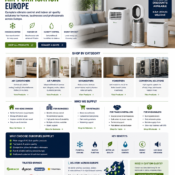 Air Conditioning & Air Purification
 Daikin Air Conditioning Europe
 Dehumidifiers Europe
 Humidifiers Europe
 Air purifiers Europe
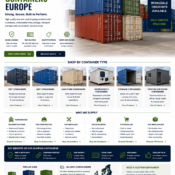 Shipping Containers Europe
 High Cube Containers
 Standard Containers (20ft, 40ft)
 Modified / Custom Containers
 Refrigerated Containers
 Storage Containers
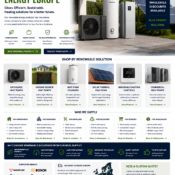 Renewable Energy Europe
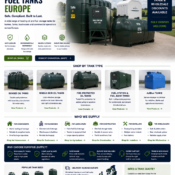 HOME HEATING OIL TANKS
 Bunded Oil Tanks
 AdBlue tanks Europe
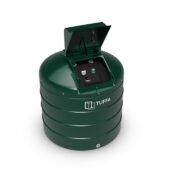 Fire-protected oil tanks Europe
 Fuel Bank Or Fuel Station Oil Tanks
 Single Skinned oil Tanks
 Secure Storage Europe
 Smokeless Coal Europe
 Firewood Europe
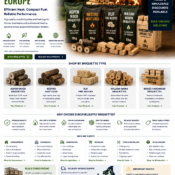 Briquettes & Heat Logs
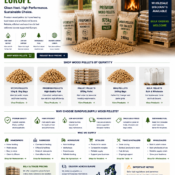 WOOD PELLETS

Renewable Heating Solutions for Businesses
Renewable heating solutions for businesses are becoming an important consideration for companies seeking to manage energy costs, improve building efficiency and reduce dependence on fossil fuels. From warehouses and factories to hotels, offices, agricultural facilities and retail premises, choosing the right heating system can make a meaningful difference to long-term operating costs and energy management.
However, renewable heating is not a single technology. Businesses can choose from biomass boilers, air-source heat pumps, ground-source heat pumps, solar thermal systems and hybrid heating arrangements. Each option has different installation requirements, operating characteristics and suitability for commercial applications. Renewable Heating Solutions for Businesses
This guide explains the main renewable heating solutions available to European businesses, how to compare them and what to consider before investing in new equipment.
At EuroFuelSupply, commercial customers can explore heating equipment, biomass fuels and wholesale energy products for a range of residential and business requirements. Renewable Heating Solutions for Businesses
What Are Renewable Heating Solutions for Businesses?
Renewable heating solutions use renewable energy sources, or combine renewable and conventional technologies, to provide space heating and hot water.
The most suitable system depends on the building’s heat demand, existing equipment, available space, local climate, energy tariffs and business operating hours.
Common options include:
- Biomass boilers using suitable wood pellets or other approved biomass fuels.
- Air-source heat pumps that transfer heat from outdoor air.
- Ground-source heat pumps that extract heat from the ground.
- Solar thermal systems that use solar energy to heat water.
- Hybrid systems that combine a heat pump with another heating source.
- Supporting technologies such as thermal storage, smart controls and improved insulation.
Renewable heating can be considered for both new commercial buildings and existing properties undergoing refurbishment. However, the financial and technical case should be assessed for each building rather than assuming that one solution suits every business.
Why Businesses Are Considering Renewable Heating
1. Managing Long-Term Energy Costs
Heating can represent a significant operating expense for buildings that require warm indoor spaces, hot water or process heat.
Renewable heating technologies may help businesses reduce exposure to certain fuel-price fluctuations, depending on the system, energy tariffs and operating requirements.
A proper assessment should compare the expected annual energy consumption, maintenance, capital expenditure and equipment lifespan. A system with lower energy consumption may still require a substantial initial investment.
2. Reducing Dependence on Fossil Fuels
Businesses with suitable sites may be able to replace some or all of their fossil-fuel heating with renewable technologies.
Heat pumps use electricity to transfer heat, while biomass systems use eligible organic fuels such as wood pellets. Solar thermal systems can contribute renewable heat to domestic hot-water production.
The actual emissions benefit depends on the technology, electricity mix, fuel sourcing, transport and operating conditions. Biomass should not automatically be treated as carbon-neutral; sustainable sourcing and lifecycle emissions matter.
3. Supporting Environmental and Sustainability Goals
Companies may have environmental targets, customer requirements or corporate reporting obligations that influence their heating decisions.
Renewable heating can form part of a wider energy strategy that includes insulation, efficient equipment, renewable electricity, energy monitoring and better building controls.
Businesses should use the appropriate emissions methodology for their reporting and retain supporting information about fuel origin, energy consumption and system performance.
4. Improving Heating System Performance
Replacing outdated equipment can provide an opportunity to improve controls, reliability and temperature management.
The benefits depend on the existing installation and the replacement technology. A poorly sized renewable system may fail to meet peak demand, while an appropriately designed system can support consistent heating and hot-water production.
The Main Renewable Heating Options for Commercial Buildings
1. Biomass Boilers for Businesses
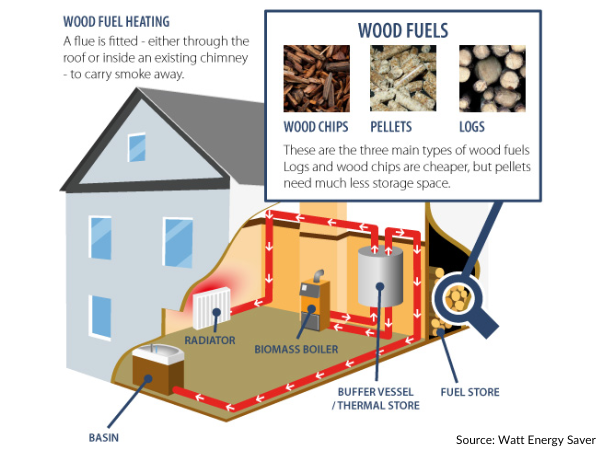
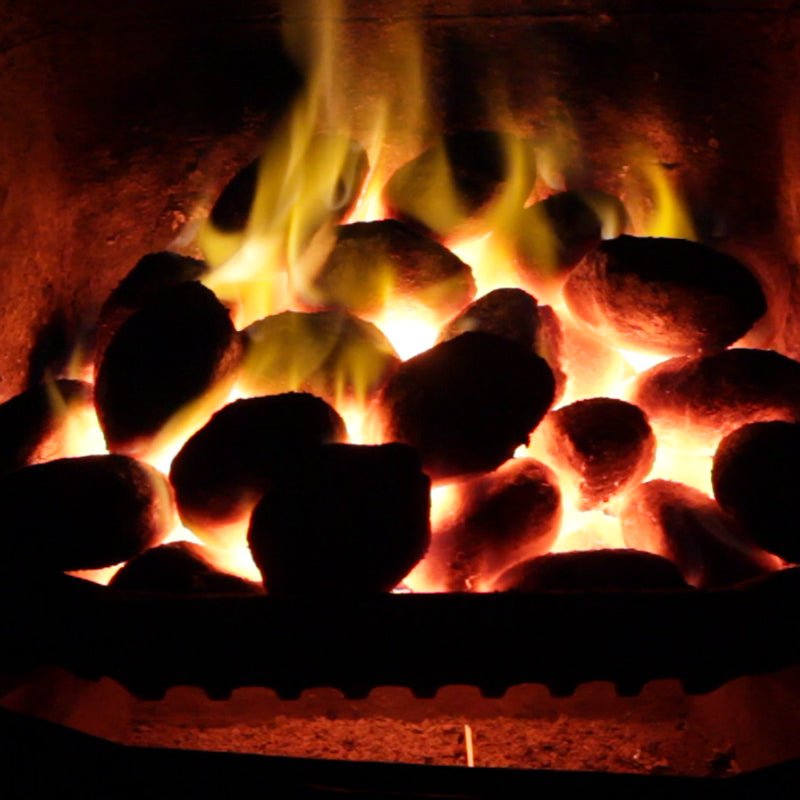
Biomass boilers generate heat by burning suitable biomass fuels, including wood pellets and certain other approved solid fuels.
They can be considered for commercial buildings with substantial heat demand, suitable fuel storage and access to appropriate fuel supplies.
Potential applications include:
- Agricultural facilities and farm buildings.
- Warehouses and industrial premises.
- Hotels and leisure facilities.
- Workshops and commercial buildings.
- Sites with compatible existing boiler and heating infrastructure.
Advantages of biomass heating
Biomass boilers can provide heat for space heating and, in suitable system designs, hot-water production. Pellet-based systems may offer automated fuel feeding and controlled combustion.
Businesses with sufficient storage space and predictable heating demand may find biomass worth evaluating, particularly where suitable fuel supply arrangements are available.
What businesses should consider
Biomass systems require fuel storage, handling, ash management, servicing and appropriate flue arrangements. They may also require additional measures to comply with local air-quality and emissions regulations.
Before purchasing a biomass boiler, assess:
- Required heat output and annual fuel consumption.
- Fuel specification and local availability.
- Storage capacity and delivery access.
- Boiler efficiency and emissions performance.
- Maintenance requirements and ash disposal.
- Applicable permits and installation regulations.
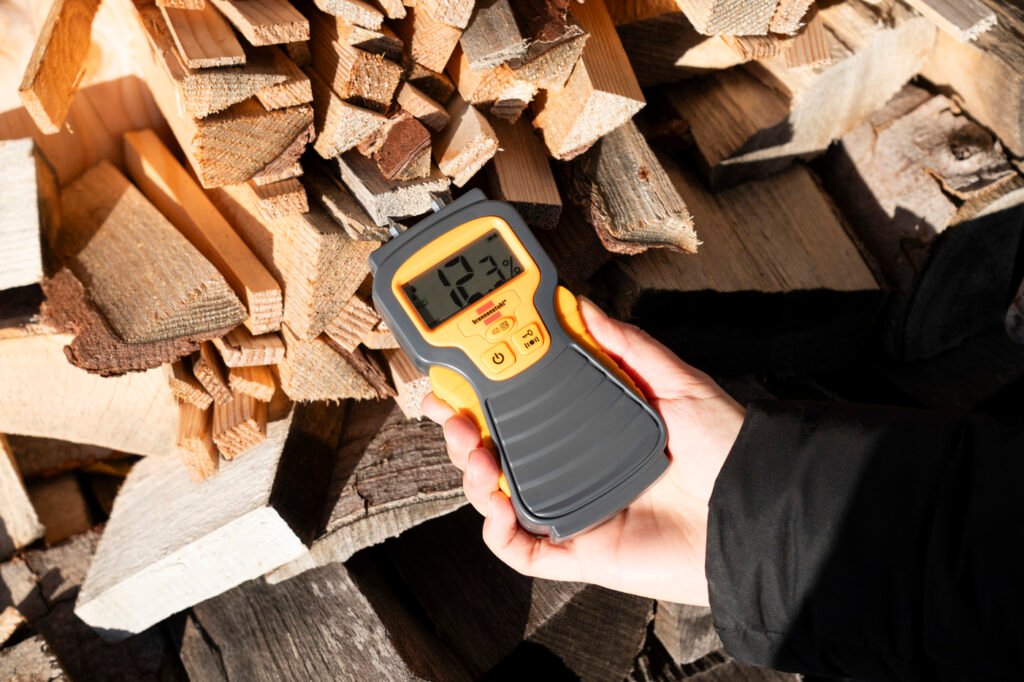
Fuel quality matters. Pellets or other biomass fuels must meet the appliance manufacturer’s requirements.
Businesses interested in biomass supply can explore the EuroFuelSupply wood pellets category and the wholesale energy products range.
2. Air-Source Heat Pumps
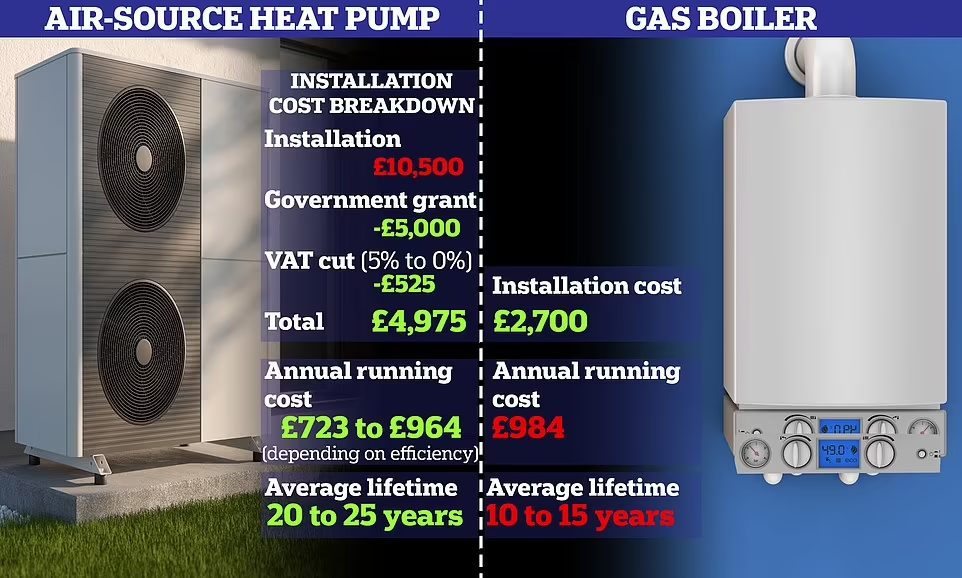
Air-source heat pumps transfer heat from outdoor air into a building’s heating or hot-water system. They use electricity to operate a refrigeration cycle that moves heat rather than generating all the heat directly through electrical resistance.
Commercial air-source heat pumps are available in different capacities and configurations, including systems designed for larger buildings.
Potential advantages
- Can provide space heating and, with suitable equipment, cooling.
- May deliver several units of heat per unit of electricity under favourable operating conditions.
- Can reduce direct on-site combustion when replacing a fossil-fuel boiler.
- May integrate with suitable low-temperature heating systems.
Commercial considerations
Heat pump performance depends on outdoor temperature, required water temperature, system design and equipment selection.
Existing buildings with high-temperature radiator systems may need an assessment of radiator capacity, insulation and heat distribution. Some installations may require larger emitters or other upgrades to achieve satisfactory performance.
Businesses should also consider outdoor unit placement, noise, electrical supply, refrigerant requirements and the effect of cold-weather operation on seasonal efficiency.
Air-source heat pumps are worth evaluating for offices, hotels, retail premises and other buildings with suitable heating demand and installation conditions.
EuroFuelSupply also offers an air-conditioning and HVAC product category for customers researching related heating and cooling equipment.
3. Ground-Source Heat Pumps
Ground-source heat pumps extract heat from the ground through buried pipework or boreholes and transfer it into a building.
Ground temperatures tend to fluctuate less than outdoor air temperatures, which can support more stable operating conditions. However, performance depends on the system design, ground conditions and required heating temperatures.
Benefits
- Can provide efficient space heating under suitable conditions.
- May also provide domestic hot water when designed for that purpose.
- Can suit buildings with long operating hours and consistent heating demand.
- May offer long-term performance advantages at appropriate sites.
Challenges
Ground-source installations typically require more site investigation and civil engineering than air-source systems. Horizontal collectors need suitable land, while boreholes require appropriate ground conditions, permissions and specialist installation.
Initial costs can be higher, and businesses should assess the expected return over the system’s operating life.
Ground-source heat pumps may be worth investigating for campuses, larger commercial properties, hotels and developments with suitable land and long-term ownership plans.
4. Solar Thermal Heating
Solar thermal systems capture solar energy to heat water. They commonly use roof-mounted collectors connected to a hot-water storage system.
Commercial applications can include domestic hot-water production for hotels, sports facilities, leisure centres and buildings with regular hot-water demand.
Advantages
- Uses solar energy to provide part of the hot-water requirement.
- Can reduce the energy needed from the main water-heating system.
- May complement a boiler or heat pump.
- Can be useful where hot-water consumption is predictable.
Limitations
Solar thermal output varies with sunlight, season, roof orientation, collector area and system design. It will generally need to work alongside another heat source when solar input is insufficient.
Businesses should compare the available roof area, expected hot-water demand, storage requirements and maintenance costs before investing.
5. Hybrid Heating Systems
A hybrid heating system combines two or more heat sources. One example is a heat pump working alongside an existing boiler.
Depending on the design, the system may use the heat pump for suitable operating conditions and call on the secondary heat source when higher temperatures or additional capacity are required.
Why consider a hybrid system?
A hybrid arrangement may be useful when a business wants to upgrade its heating gradually rather than replace all existing equipment at once.
It can also be considered where the existing distribution system or peak heat demand makes a heat-pump-only design more challenging.
However, hybrid systems add controls and integration requirements. Their economic and environmental performance depends on how the system is configured and which heat source operates most frequently.
A qualified heating designer should model expected operation and compare it with the available alternatives.
Which Renewable Heating Solution Is Best for Your Business?
The best option depends on the building, the type of heat required and the way the business operates.
| Business type | Options worth evaluating | Key considerations |
|---|---|---|
| Office building | Air-source heat pump, hybrid heating | Occupancy patterns, insulation, comfort and controls |
| Hotel or leisure facility | Heat pump, solar thermal, biomass where appropriate | Hot-water demand, peak loads and operating hours |
| Warehouse | Air-source heat pump or other suitable heating system | Building height, insulation and heating zones |
| Agricultural business | Biomass or heat pump, depending on the application | Fuel availability, storage and heat demand |
| Industrial facility | Heat pump, biomass or specialist process-heating technology | Required temperatures, process load and emissions |
| Multi-unit commercial property | Central heat pump, hybrid or other designed system | Simultaneous demand, distribution losses and metering |
These are starting points rather than definitive recommendations. Industrial processes requiring very high temperatures, for example, may need technologies different from those used for ordinary space heating.
How to Assess Your Business’s Heating Requirements
Before requesting quotations, gather accurate information about the building and existing heating installation.
Step 1: Establish Annual Heat Demand
Review fuel bills, energy meters, operating schedules and previous heating consumption. If available, obtain a professional heat-demand assessment.
Annual energy use helps estimate operating costs, while peak heat demand determines the system capacity needed during the coldest conditions.
Step 2: Assess the Existing Building
Check insulation, windows, roof condition, ventilation and the heating distribution system.
Improving insulation and reducing unnecessary heat loss may allow a smaller heating system to meet the building’s needs.
Step 3: Identify the Required Heating Temperatures
Heat pumps generally perform better when supplying lower water temperatures, all else being equal. Existing radiators, underfloor heating and process equipment may have different temperature requirements.
Confirm whether the proposed system can meet the required output without compromising comfort or production.
Step 4: Review Site Infrastructure
Consider electrical capacity, plant-room space, roof area, outdoor unit placement, fuel storage, delivery access and any necessary groundworks.
For biomass systems, storage and fuel delivery may be major design factors. For ground-source systems, ground conditions and access for drilling or excavation are important.
Step 5: Compare Total Ownership Costs
Do not compare systems using purchase price alone.
Include equipment, design, installation, building upgrades, energy consumption, maintenance, replacement components and any required infrastructure work.
Assess available financial support separately, because eligibility depends on the country, business type, technology and current programme rules.
Renewable Heating Costs and Return on Investment
There is no single installation price or payback period that applies to all commercial renewable heating projects.
Costs depend on the heating capacity, building size, equipment type, site conditions, existing infrastructure, energy tariffs and the amount of work required to integrate the new system.
A useful financial comparison should include:
- Initial equipment and installation costs.
- Any electrical, plumbing or building upgrades.
- Expected annual energy consumption.
- Fuel storage and handling costs where applicable.
- Routine servicing and maintenance.
- Expected equipment life and replacement costs.
- Applicable grants, tax relief or other support.
- Estimated annual savings compared with the existing system.
A simple way to compare options
Estimate annual operating costs for the current system and each proposed alternative using realistic energy prices and system-performance assumptions.
Then compare the difference in annual costs with the additional initial investment.
A simple payback calculation can provide an initial indication, but it does not capture financing costs, changing energy prices, maintenance differences or equipment replacement. For significant investments, use a whole-life cost assessment.
Businesses should avoid relying on generic claims that renewable heating always reduces costs. The result must be demonstrated for the particular building and operating conditions.
Can Renewable Heating Reduce Business Carbon Emissions?
Renewable heating can help businesses reduce emissions, but the outcome depends on the technology being installed and what it replaces.
A heat pump replacing a fossil-fuel boiler may reduce emissions, depending on its seasonal performance and the electricity supply. A biomass boiler’s lifecycle emissions depend on fuel sourcing, processing, transport, combustion and the carbon-accounting method used.
Solar thermal can reduce the amount of additional energy needed to heat water when sufficient solar energy is available.
To measure results, businesses should establish a baseline, record energy consumption and apply an appropriate emissions methodology. Environmental claims should be supported by evidence rather than assumptions about the technology alone.
Renewable Heating Equipment and Biomass Fuel Supply
Choosing a heating technology is only part of a successful project. Businesses must also ensure that the required equipment, fuel and technical support arrangements suit their operating needs.
EuroFuelSupply serves residential, trade and commercial customers looking for heating equipment, biomass fuels and wholesale energy products.
Depending on the project, buyers may need to compare:
- Boilers and associated heating equipment.
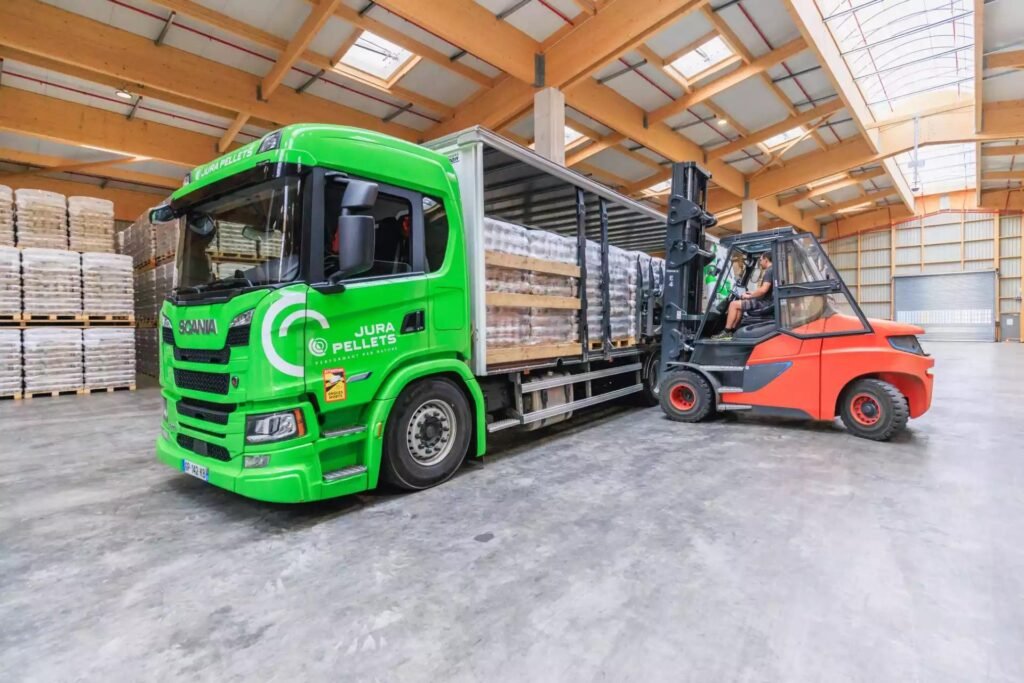
- Wood pellets for compatible biomass systems.
- Hot-water equipment and storage solutions.
- Commercial heating and HVAC products.
- Delivery arrangements for equipment and fuel.
- Product specifications and installation requirements.
Explore the boilers category, wood pellets range or wholesale energy products for Europe.
Product availability, specifications and delivery arrangements should be confirmed for the requested equipment, fuel and destination.
How to Prepare a Commercial Heating Enquiry
A well-prepared enquiry helps suppliers understand the project and identify potentially suitable products.
Include the following details when requesting a quotation:
- Business and building type: For example, an office, hotel, warehouse, farm or industrial facility.
- Location: Country, city and site postcode.
- Heating requirement: Space heating, hot water, process heat or a combination.
- Existing system: Current boiler type, fuel, distribution system and approximate age.
- Demand information: Annual energy use, peak load or available heat-loss calculations.
- Preferred technology: Heat pump, biomass boiler, hybrid system or a recommendation based on the specification.
- Project quantity and timetable: Number of units, proposed installation period and any phased requirements.
- Additional constraints: Available space, electrical supply, fuel storage and delivery access.
For a project-specific enquiry, use the EuroFuelSupply Get a Quote page or contact the team through the Contact Us page.
Frequently Asked Questions About Renewable Heating for Businesses
What is the best renewable heating system for a business?
There is no universally best system. Heat pumps may suit buildings with appropriate heat distribution and electrical infrastructure, while biomass boilers may suit sites with sufficient fuel storage and access to suitable biomass. Solar thermal and hybrid systems can be useful in specific applications. A site assessment is the best way to identify suitable options.
Are commercial heat pumps more efficient than gas boilers?
Heat pumps can deliver more heat energy than the electricity they consume under suitable operating conditions. However, comparing costs and emissions with a gas boiler requires seasonal performance, local electricity and gas prices, and the efficiency of the existing boiler to be considered.
Can a biomass boiler heat a large commercial building?
Yes, appropriately designed biomass boilers can provide heat for some large commercial and industrial buildings. Suitability depends on the required heat output, fuel specification, storage space, delivery access, emissions requirements and maintenance arrangements.
Are renewable heating systems expensive to install?
Initial costs vary widely. Some projects require only equipment replacement and limited changes, while others need electrical upgrades, new emitters, plant-room modifications, boreholes or fuel storage. Obtain a site-specific quotation and compare whole-life costs rather than installation prices alone.
Can renewable heating provide both heating and hot water?
Many heat pumps and biomass systems can provide space heating and domestic hot water when designed for both purposes. Solar thermal systems can contribute to hot-water production. The selected system must be sized to meet peak demand as well as typical daily use.
Are grants available for renewable heating in Europe?
Some European countries offer grants, tax incentives or other support for qualifying heating upgrades. Eligibility, funding amounts and application rules vary and can change. Check the current official programme in the country where the business operates before including support in a financial forecast.
Is biomass heating considered renewable?
Biomass can qualify as renewable energy under applicable frameworks, but its environmental performance depends on the fuel source, sustainability criteria, emissions and lifecycle impacts. Businesses should verify relevant requirements and avoid assuming that every biomass product has the same environmental profile.
How can EuroFuelSupply help with a commercial heating project?
EuroFuelSupply provides a route for commercial buyers to enquire about heating equipment, biomass fuels and wholesale energy products. Share the intended application, required specifications, quantities and delivery location so the team can assess the enquiry.
Conclusion: Choose a Renewable Heating System That Fits Your Business
Renewable heating solutions can support energy management, building modernisation and emissions-reduction strategies for European businesses. Biomass boilers, heat pumps, solar thermal systems and hybrid heating each offer different benefits and limitations.
The right choice depends on the building’s heat demand, existing infrastructure, energy tariffs, site conditions and long-term operating plans. A proper assessment should compare installation costs, expected energy consumption, maintenance, environmental performance and any applicable financial support.
For businesses exploring renewable heating equipment or biomass fuel supplies, EuroFuelSupply offers a starting point for product enquiries and commercial quotations.
Explore EuroFuelSupply’s heating products, review the wholesale energy products range or request a quotation for your business requirements.
Renewable Heating Solutions for Businesses