 WATER HEATERS
 Rinnai Water Heaters (Internal & External Installation)
 Caravan Water Heaters
 Commercial Continuous Flow Gas Water Heaters
 Domestic Tankless Multipoint Gas Water Heaters
 Gas Heaters Europe
 Calor Gas Heaters
 Gas Space Heaters
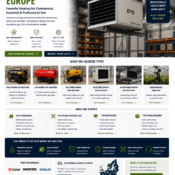 Warm Air Heaters Europe
 Gas Warm Air Heaters
 Electric Warm Air Heaters
 Boilers Europe
 ATAG Boilers Europe
 Combi Boilers Europe
 System Boilers Europe
 Hot Water Cylinders Europe
 Thermal Store Hot Water Cylinders
 Unvented Hot Water Cylinders
 Vented Hot Water Cylinders
 Commercial Hot Water Cylinders
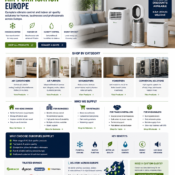 Air Conditioning & Air Purification
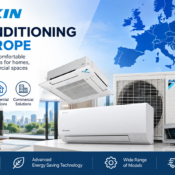 Daikin Air Conditioning Europe
 Dehumidifiers Europe
 Humidifiers Europe
 Air purifiers Europe
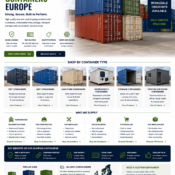 Shipping Containers Europe
 High Cube Containers
 Standard Containers (20ft, 40ft)
 Modified / Custom Containers
 Refrigerated Containers
 Storage Containers
 Renewable Energy Europe
 HOME HEATING OIL TANKS
 Bunded Oil Tanks
 AdBlue tanks Europe
 Fire-protected oil tanks Europe
 Fuel Bank Or Fuel Station Oil Tanks
 Single Skinned oil Tanks
 Secure Storage Europe
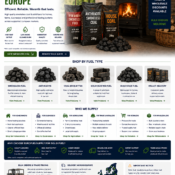 Smokeless Coal Europe
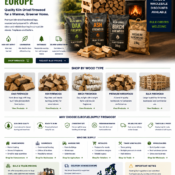 Firewood Europe
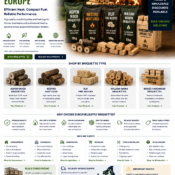 Briquettes & Heat Logs
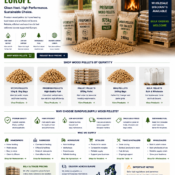 WOOD PELLETS

Smokeless Coal Buying Guide
Choosing the right smokeless coal can help homeowners and businesses find a suitable solid fuel for compatible stoves, fireplaces and heating appliances. However, smokeless fuels vary in composition, heat output, burn characteristics, ash production, price and intended use.
Whether you need fuel for a home, a commercial property, a retail business or a larger trade order, understanding these differences can help you make a better purchasing decision.
In this smokeless coal buying guide, we explain what smokeless coal is, how to compare different products, which appliances may be suitable, how to estimate your requirements and what to consider when arranging delivery across Europe.
EuroFuelSupply supplies heating fuels and energy products for residential, trade and commercial customers across supported European markets. Buyers can explore individual solid-fuel products, including Homefire Excel smokeless fuel, or enquire about larger quantities through our wholesale energy supply service.
Quick Answer: How Do You Choose Smokeless Coal?
The best smokeless coal depends on your heating appliance, intended application, fuel specification, budget and delivery requirements.
Before ordering, check:
- Appliance compatibility: Confirm that your stove, fireplace or boiler is designed for the specific fuel.
- Fuel type: Manufactured smokeless briquettes, anthracite and other solid fuels have different characteristics.
- Heat output: Compare the manufacturer’s stated calorific value and intended use.
- Burn duration: Check the product information rather than assuming every smokeless fuel burns for the same length of time.
- Ash production: Review the product specification and your appliance’s maintenance requirements.
- Regulations: Check local rules governing solid fuels and smoke-control areas.
- Quantity: Decide whether you need bags, a half pallet, a full pallet or a larger commercial order.
- Delivery: Confirm the delivered price, availability and transport arrangements for your location.
The most important rule is to choose a fuel that meets your appliance manufacturer’s requirements and is legally permitted for your intended use.
What Is Smokeless Coal?
Smokeless coal is a general term used for certain solid fuels designed to produce less visible smoke than conventional house coal under appropriate burning conditions.
The term can refer to manufactured smokeless briquettes, anthracite and other approved solid fuels. These products are not all identical, and their composition and performance depend on the specific fuel.
Some manufactured smokeless fuels are designed for compatible multifuel stoves and open fires. Others have specialised applications and should not be treated as general-purpose household heating fuel.
Smokeless fuel can be an option for households and businesses that use suitable solid-fuel appliances. However, it remains important to consider emissions, local regulations, ventilation, appliance efficiency and the availability of alternative heating options. Smokeless Coal Buying Guide.
1. Identify Your Heating Appliance
Before comparing prices, establish which fuels your appliance can safely burn.
Multifuel Stoves
Many multifuel stoves can burn certain approved smokeless fuels. The appliance must be designed for the selected fuel, and the manufacturer’s instructions should be followed.
Check the recommended fuel type, required grate arrangement and operating instructions before purchasing.
Open Fireplaces
Some smokeless fuels are suitable for compatible open fires, while others are designed for enclosed appliances.
Do not assume that a product suitable for a multifuel stove is automatically suitable for an open fireplace.
Solid-Fuel Boilers
Solid-fuel boilers may have specific requirements for fuel size, type and combustion characteristics. Use only the fuels permitted by the boiler manufacturer.
Specialist Heating Applications
Certain solid fuels are manufactured for specialist uses, including forge applications. These should not be confused with smokeless fuels intended for domestic heating.
For example, forge coke or forge fuel is designed for particular metalworking applications and is not a direct substitute for ordinary household smokeless fuel.
Always check the product description and appliance instructions before placing an order.
2. Understand the Different Types of Smokeless Fuel
The phrase “smokeless coal” covers products with different properties. Understanding the main categories helps you avoid buying the wrong fuel.
Manufactured Smokeless Briquettes
Manufactured smokeless briquettes are processed solid fuels produced in a consistent shape and size.
Depending on the product, they may be designed for compatible multifuel stoves, open fires or other approved appliances.
When comparing briquettes, examine the stated heat output, ash content, intended application and burning characteristics.
Anthracite
Anthracite is a naturally occurring, high-carbon form of coal. It has different combustion characteristics from manufactured smokeless briquettes.
Certain anthracite grades are suitable for appliances specifically designed to burn them. However, not every stove or boiler can use every anthracite product.
Check the fuel grade and appliance requirements before purchasing.
Other Manufactured Solid Fuels
Some solid fuels are designed for particular applications or heating systems. Their composition and intended use may differ significantly.
Read the product specification carefully instead of relying on a product name alone.
3. Compare Heat Output
Heat output is one of the most important factors when choosing smokeless fuel.
A fuel’s calorific value indicates the energy available under specified testing conditions. However, the useful heat delivered into your room or building also depends on the efficiency and operating conditions of your appliance.
When comparing products, check:
- Stated calorific value
- Recommended appliance type
- Typical fuel consumption, where available
- Expected operating conditions
- Product instructions
Avoid assuming that a fuel with a higher stated calorific value will automatically provide the lowest heating cost. Appliance efficiency, price, burn rate and maintenance all affect the overall result.
4. Consider Burn Duration
Some smokeless fuels are marketed for sustained burning, while others are designed to respond differently to changes in air supply and appliance settings.
Actual burn duration depends on:
- Fuel composition
- Appliance design
- Airflow
- Heat demand
- Operating temperature
- Quantity of fuel loaded
- Manufacturer instructions
A longer burn time can be convenient, but it should not be the only factor in your decision.
Compare the manufacturer’s product information and choose a fuel suited to the way you use your heating appliance.
5. Check Ash Content and Maintenance Requirements
Ash is the residue left after fuel combustion. The amount produced varies between products and depends partly on how the appliance is operated.
When comparing smokeless fuels, consider the product’s stated ash characteristics and how frequently your appliance requires cleaning.
Regular maintenance is important for safe operation. Follow the manufacturer’s cleaning instructions, and never allow ash to obstruct airflow or interfere with components designed to manage combustion.
6. Check Smoke-Control and Local Fuel Regulations
The term “smokeless” does not mean that a fuel produces no emissions or is automatically permitted everywhere.
Rules differ by country and locality. In England, for example, smoke-control areas have specific requirements concerning the fuels that may be burned in different appliances. Other European countries have their own air-quality and solid-fuel regulations.
Before buying, check:
- Whether your property is in a regulated smoke-control area
- Whether the fuel is approved for the intended appliance and location
- Whether local restrictions apply to solid-fuel heating
- Whether your appliance meets applicable requirements
Do not rely solely on a supplier’s general description to establish legal compliance. Confirm the applicable rules with the relevant local authority or environmental regulator.
7. Compare Price and Overall Heating Cost
The lowest price per bag does not necessarily represent the best value.
Your overall heating cost depends on several factors, including the amount of heat required, appliance efficiency, fuel characteristics, delivery charges and maintenance.
Consider the following when comparing offers:
- Price per bag
- Bag weight
- Price per pallet
- Delivery charges
- Fuel specification
- Expected consumption
- Storage costs
- Order size
Make sure you compare products on a consistent basis. A small bag, a large bag and a pallet are not directly comparable without accounting for the quantity of fuel supplied.
For businesses and resellers, it is also important to include freight, unloading and storage costs when calculating the total landed cost.
8. Decide How Much Smokeless Coal to Buy
Your purchase quantity should reflect your expected consumption, available storage and delivery options.
Homeowners
Residential buyers may prefer smaller orders when testing a new fuel or when storage space is limited.
If you already use a particular fuel regularly, purchasing a larger quantity may reduce the frequency of ordering, subject to price and delivery terms.
Landlords and Property Managers
Buyers managing several properties should consider the different heating appliances installed at each location. One fuel may not be suitable for every property.
Retailers and Fuel Merchants
Retailers may need bagged products, half pallets, full pallets or larger orders depending on demand and available storage.
Commercial and Wholesale Buyers
Businesses purchasing larger quantities should confirm product availability, packaging, delivery requirements and pricing before committing to an order.
EuroFuelSupply welcomes commercial enquiries for solid fuels and other energy products. Visit Wholesale Energy Products Europe to discuss larger purchasing requirements.
9. Store Smokeless Fuel Correctly
Proper storage helps protect your fuel and keeps it accessible when required.
Before delivery, consider:
- A dry and suitable storage area
- Protection from rain and excessive moisture
- Stable pallet positioning
- Safe access for handling
- Adequate space for the delivered quantity
- Separation from incompatible materials
- Compliance with relevant fire-safety and storage requirements
Always follow the manufacturer’s instructions and any applicable storage guidance.
For larger orders, make sure the delivery vehicle can access the site and that the unloading arrangements are suitable for the quantity being delivered.
10. Plan Delivery Before Ordering
Smokeless fuel is heavy, so transportation can have a meaningful impact on the final cost.
Delivery options may depend on the product, quantity, destination, stock availability and vehicle access.
When requesting a quotation, provide:
- The product name
- The quantity required
- Your delivery country
- Your city and postcode
- Any access restrictions
- Your preferred delivery timeframe
Review the delivery terms before confirming your purchase.
EuroFuelSupply provides delivery arrangements for supported destinations according to the product and order requirements. See the Shipping & Delivery page for further information.
11. Buying Smokeless Coal for Wholesale or Resale
Wholesale buyers need to consider more than the price of an individual bag.
Important purchasing factors include:
- Product specification and packaging
- Quantity per pallet
- Minimum order requirements, where applicable
- Stock availability
- Wholesale pricing
- Delivery costs
- Storage capacity
- Customer demand
- Repeat-order requirements
Fuel retailers and distributors should also check whether the specific product is suitable for their target market and whether local regulations affect its sale or use.
EuroFuelSupply supports wholesale enquiries for solid fuels and a broader range of heating and energy products, subject to availability and destination.
Businesses can use the wholesale energy products page to explore supply options and request pricing for their requirements.
12. Why Consider EuroFuelSupply?
EuroFuelSupply serves residential customers, businesses, trade buyers and commercial organisations looking for fuel, heating and energy products across supported European markets.
The website includes product categories covering wood pellets, firewood, biomass fuel, briquettes, smokeless coal, boilers, water heaters, heating equipment and other energy-related products.
For customers considering smokeless fuel, the product information should be reviewed carefully to confirm the intended use and available quantity.
You can explore the Homefire Excel smokeless fuel product or contact EuroFuelSupply if you need help clarifying product details, availability or delivery requirements. Smokeless Coal Buying Guide.
For larger purchases, provide the required quantity and delivery location when requesting a quotation.
Smokeless Coal Buying Checklist
Before placing your order, confirm the following:
- The fuel is compatible with your appliance.
- The product is intended for your specific application.
- You have checked the product specification.
- The fuel is permitted under the relevant local regulations.
- You understand the expected heat output and burning characteristics.
- You have considered ash and maintenance requirements.
- The quantity suits your expected consumption.
- You have enough suitable storage space.
- You know the total price, including delivery.
- The supplier has confirmed availability and delivery arrangements.
Taking these steps can help you select a suitable product and avoid ordering fuel that does not meet your requirements. Smokeless Coal Buying Guide.
Frequently Asked Questions About Smokeless Coal
What is smokeless coal?
Smokeless coal is a general term for certain solid fuels designed to produce less visible smoke than conventional house coal under appropriate burning conditions. Product composition, emissions and permitted applications vary.
Is smokeless coal suitable for every stove?
No. Only use fuel types permitted by your stove or boiler manufacturer. Some appliances are designed for specific solid fuels and cannot safely burn alternatives.
What is the difference between smokeless coal and anthracite?
Anthracite is a naturally occurring type of coal with high carbon content. Manufactured smokeless fuels are processed products with their own compositions and combustion characteristics. Their suitability depends on the appliance and product specification.
Does smokeless coal produce no smoke?
No. The term does not mean that combustion produces zero smoke or emissions. Performance depends on the fuel, appliance and operating conditions.
Can I use smokeless coal in a smoke-control area?
That depends on the rules in your location and the particular fuel and appliance. Check the relevant local regulations and any applicable approved-fuel requirements before buying or burning solid fuel.
How do I choose the best smokeless coal?
Start with your appliance’s fuel requirements, then compare product specifications, heat output, ash characteristics, price, packaging and delivery costs.
Can I buy smokeless coal in bulk?
Bulk and pallet orders may be available depending on the product, quantity and destination. Contact EuroFuelSupply with your requirements to discuss availability and pricing.
How should smokeless coal be stored?
Store fuel in an appropriate, dry location and follow the manufacturer’s instructions. Make sure the storage area is safe, accessible and suitable for the quantity purchased.
Can EuroFuelSupply deliver smokeless fuel in Europe?
Delivery options depend on the product, destination and order size. Contact EuroFuelSupply to confirm availability and obtain delivery information for your location.
Can businesses request wholesale smokeless coal prices?
Yes. Businesses and trade buyers can submit a wholesale enquiry with the product, quantity and delivery destination to discuss available supply and pricing.
Buy Smokeless Fuel From EuroFuelSupply
Choosing smokeless coal involves more than finding the lowest advertised price. The right purchase should take account of appliance compatibility, fuel characteristics, local regulations, storage, quantity and delivery costs.
Whether you are buying for your home, managing properties, operating a fuel retail business or sourcing solid fuel for a commercial requirement, reviewing these factors can help you make a more informed decision.
Explore Homefire Excel smokeless fuel for product information, or visit Wholesale Energy Products Europe to discuss larger supply requirements.
For product enquiries, delivery information or a tailored quotation, visit the EuroFuelSupply contact page.
EuroFuelSupply — fuel, heating and energy products for residential, trade and commercial customers across supported European markets. Smokeless Coal Buying Guide.